


If you’re working with cables—whether you’re wiring a car, setting up a server rack, or just tidying up behind the TV—you’ll face a big decision: Should you use wire tubing or cable sleeving? The right answer depends on your needs, your environment, and how much protection your cables demand.
Let’s clear up the confusion, explain the real differences, and help you pick the perfect solution for your next job.
What Is Wire Tubing?
Wire tubing, sometimes called “conduit” or “loom,” is a solid or semi-flexible hollow tube designed to fully encase and protect cables. Tubing usually comes in materials like PVC, polyethylene, metal, or corrugated plastic. You can find it as split loom, rigid conduit, or flexible tubing.
The goal is simple: provide a tough barrier against physical impact, abrasion, moisture, chemicals, and even rodents. Tubing is the go-to for harsh environments, outdoors, or anywhere wires could be crushed, chewed, or exposed to liquid.
You’ll see tubing under car hoods, in underground runs, on factory floors, and anywhere serious cable protection is a must.
Learn more: What Happens When Cables and Wires Aren’t Properly Protected?
What Is Cable Sleeving?

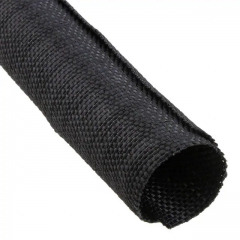
Cable sleeving is a flexible, woven or extruded cover designed to bundle, organise, and offer light to moderate protection to cables. Sleeving can be made from PET, nylon, fiberglass, textile, or other polymers. It’s available in braided, spiral, expandable, and heat shrink varieties.
Unlike tubing, sleeving hugs cables more closely, expands and contracts, and keeps things tidy without adding bulk. Sleeving excels in places where you want good airflow, neat cable management, and easy access for upgrades or repairs.
You’ll spot sleeving in computers, audio equipment, home theatres, office desks, and light-duty electronics.
Key Differences Between Tubing and Sleeving
The real divide between tubing and sleeving comes down to how much protection you need and how easy you want future maintenance to be.
Tubing:
-
Stronger physical barrier
-
Resists crushing, sharp impacts, gnawing, and most fluids
-
Often required by code for outdoor, underground, or high-risk locations
-
Can be more challenging to install in tight spaces or retrofits
Sleeving:
-
Flexible, lightweight, and easy to apply—even around bends and connectors
-
Offers abrasion resistance, cable organisation, and better airflow
-
Not meant for heavy impacts, rodent resistance, or direct exposure to the elements
-
Simple to cut, install, or remove for upgrades or repairs
Which One Should You Choose? Factors to Consider
Choosing between wire tubing and sleeving is about knowing your environment, the level of risk, and what matters most to you.
-
Physical Risk: Are your cables exposed to foot traffic, moving equipment, or gnawing pets? Go with tubing.
-
Moisture and Chemicals: For outdoor, wet, or chemical-rich environments, tubing wins for full coverage and sealing.
-
Heat and Airflow: For heat-sensitive electronics or computers, sleeving is ideal—letting cables breathe and reducing clutter.
-
Ease of Installation: If you need to quickly bundle and organise cables, sleeving is faster and more forgiving.
-
Regulatory Compliance: In many commercial, industrial, or public spaces, tubing is required by building or safety codes.
| Wire Tubing | Cable Sleeving | |
|---|---|---|
| Pros | - Maximum protection against impact, abrasion, and crushing- Excellent moisture and chemical resistance- Complies with many building and safety codes | - Lightweight and flexible- Expands and contracts for easy installation around connectors- Better airflow for heat-sensitive cables- Makes upgrades and repairs simple |
| Cons | - Less flexible and harder to install in tight or finished spaces- Can add bulk and weight- Not as easy to reconfigure for upgrades | - Not rated for heavy physical or environmental hazards- Doesn’t fully seal out water or fine dust- Less rodent and crush resistance |
Real-World Scenarios: When to Use Each
If you’re running power to a backyard shed, installing outdoor lighting, or wiring machinery in a workshop, choose tubing. It gives you peace of mind against accidents, weather, and pests.
If you’re managing computer cables, building a custom PC, or organising AV gear, sleeving is your best friend. It keeps everything neat, reduces tangles, and makes future changes a breeze.
In many complex installs, you’ll use both. Run main cables through tubing where they’re exposed, then switch to sleeving for tidy management at endpoints or inside equipment.
Final Thoughts: Choose What Your Cables Deserve
There’s no one-size-fits-all answer in the tubing versus sleeving debate. Think about your risks, space, and how much hassle you want down the road. Go tough with tubing for maximum protection. Go flexible with sleeving for neat, accessible wiring. For the smartest installs, use both—each where they shine.
Make the right call now, and you’ll save time, money, and frustration later. Good cable protection isn’t just about looks—it’s about reliability and safety, every single day.
For more insights and tips on cable ties and other related products, explore cabletiesunlimited.com, get a quick and free quote, and follow us on our social media communities on Facebook and Instagram!