


Fibre optic systems require careful routing, gentle pressure, and precise organisation. Even small handling mistakes can interrupt light transmission inside the cable. Releasable cable ties support these systems because they secure fibre bundles without locking them into a permanent position. They allow controlled adjustments and protect the cable jacket from excessive compression.
This guide explains why releasable cable ties are ideal for fibre optic cable handling across data centres, telecom networks, transport systems, and industrial environments. It also outlines how proper installation, climate awareness, and maintenance improve long-term performance.
Fibre Optic Cables Need Gentle, Adjustable Support
Fibre optic cables transmit signals through light, which requires the core and cladding to stay perfectly aligned. Any pressure points, tight bends, or crushed sections cause microbending. Microbending disrupts light flow and weakens signal quality. Standard cable ties apply fixed tension, and that tension often becomes too tight during installation.
Releasable cable ties solve this problem by offering adjustable tension. Installers can secure bundles lightly and reopen the tie if they need to reposition the cable. This ability protects the fibre during installation and ensures that small routing issues never create long-term performance losses.
Controlled Tension Protects the Cable Jacket
The cable jacket shields the fibre core, but it cannot handle excessive compression. A standard cable tie can squeeze the jacket into a deforming point. Once that point forms, it restricts light movement in the core. Releasable cable ties avoid this risk because they allow fine tension control. Installers can tighten them gradually until the bundle feels secure without forcing the strap into the jacket.
The release mechanism also protects the jacket during rework. Instead of cutting through a tie with a flush cutter, technicians unlock the tie with a simple press. This keeps sharp tools away from the fibre and cuts the risk of accidental damage.
Safe Repositioning Helps During Routing
Fibre optic routes change during installation. Technicians adjust cable trays, move access points, or add new hardware to a rack. With standard ties, these changes waste time because each modification requires cutting and replacing ties. Releasable ties make these adjustments simple. A technician can open the tie, widen the bundle, shift the cable, and close it again in seconds.
This flexibility supports structured cabling standards and keeps bundles clean. It also reduces material waste. Installers can test several pathways without throwing away multiple ties at each stage.
Preventing Microbending With Releasable Ties
Microbending is the single most common cause of early fibre failure. Tight points around a cable bend interrupt the internal light path. The problem usually appears when a tie has been tightened too much or when a bundle shifts after installation. Releasable cable ties allow installers to check tension, test cable curvature, and adjust the pressure until the bend radius meets manufacturer requirements.
This prevention saves time on troubleshooting. It also reduces signal loss in high-density networks where even small imperfections lower performance.
Better Handling During Maintenance
Fibre networks undergo regular maintenance. Technicians identify faults, reroute cables, and add new lines as capacity grows. Cutting standard ties slows this process and introduces risk. Flush cutters can nick a fibre jacket. Cut tie pieces fall into hardware trays and cause contamination.
Releasable cable ties remove these problems. They open without tools and reseal without damaging the strap. A technician can access the cable bundle instantly and finish maintenance sooner. This keeps the environment safer and prevents accidental fibre cuts inside crowded racks.
Ideal for High-Density Cable Environments
Dense networks place cables close together. Fibre often shares racks with copper, power lines, or control wires. This density increases the benefits of releasable ties. Adjustments happen often, and space is limited. Releasable ties provide gentle, controlled support that keeps bundles compact without forcing tight bends.
They also make airflow management easier. Data centres depend on clean airflow across racks. Releasable ties help technicians reorganise fibre bundles as cooling demands shift.
Climate and Temperature Changes Affect Fibre Handling
Outdoor fibre installations face climate stress. Heat softens nylon ties and increases slack. Cold stiffens them and raises break risk. Moisture affects tension because nylon absorbs water and swells. Releasable ties help installers adjust for these changes because they can be retightened or loosened without replacing the strap.
UV exposure adds another layer of risk. Outdoor fibre in rail, energy, or telecom networks benefits from UV-resistant releasable ties. UV-stable nylon lasts longer in direct sunlight and protects the bundle through seasonal cycles.
Applications That Benefit Most From Releasable Ties
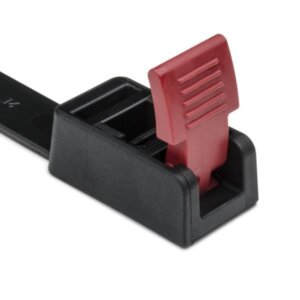
Many industries rely on fibre optic communication, and each gains advantages from using releasable ties.
Data Centres
Data centres reorganise racks often. Releasable ties support neat, low-pressure bundling during patching and equipment changes. They protect fragile fibres when technicians work inside dense trays.
Telecommunications
Telecom networks upgrade regularly. Releasable ties allow teams to modify routing paths without cutting and replacing ties each time. This improves response time during maintenance.
FTTH and FTTP Networks
Fibre-to-the-home installations run through tight spaces. Releasable ties prevent overtightening while supporting small-diameter drop cables.
Rail and Transport
Rail and transport systems place fibre along corridors that face vibration, climate shifts, and UV exposure. Releasable ties allow safe adjustments during inspections and keep fibre stable during seasonal changes.
Reduced Waste and Faster Installation
Releasable cable ties reduce waste because technicians do not discard them after a single use. A tie can support several adjustments during installation, testing, or expansion. This cuts the volume of plastic waste around sensitive equipment. It also lowers consumable costs for large projects.
Installation becomes faster because workers can make changes without starting over each time. A single tie may support early testing, mid-stage repositioning, and final cable management.
Protecting Bend Radius and Signal Performance
Proper bend radius is critical for fibre integrity. A bend that is too tight causes attenuation and signal loss. Releasable ties support bend-safe installation because they allow bundle tension to be corrected without cutting the strap. A technician can loosen a tie slightly and open the bundle until the bend radius meets manufacturer recommendations.
This control supports long-term network performance. It also reduces the need for fibre replacement in high-cost systems.
Supporting Moves, Adds, and Changes
Network expansions require frequent moves, adds, and changes. Releasable cable ties streamline this work because the bundle can be opened, reorganised, and closed again without cutting. This efficiency protects the fibre and reduces downtime.
It also helps when adding new equipment. A technician can insert new cables into the bundle without rebuilding the entire route.
Better Options for Labeling and Identification

Fibre systems rely on clear labeling. Releasable ties support flexible labeling because markers and ID tags often need repositioning as equipment changes. A technician can reopen the tie, slide the label into place, and close the bundle safely.
Colour-coded releasable ties also help maintain visual order inside dense racks. When colour systems change, ties can be swapped without disturbing fibre alignment.
Installation Practices for Safe Fibre Management
Good fibre installation practices improve the benefits of releasable ties. Installers should avoid excessive tension and follow manufacturer requirements for bend radius. Bundles should rest on smooth surfaces and avoid sharp edges. Releasable ties work best when applied with light, even pressure and balanced spacing.
Technicians should also avoid stacking too many cables in one path. Proper separation maintains airflow and reduces pressure across the bundle.
Fibre Maintenance With Releasable Ties
Releasable ties make maintenance predictable. Inspectors can test the release mechanism, check the surface for wear, and replace ties that have faded or stiffened due to UV or climate exposure. Cleaning dust and debris protects the locking head from buildup.
Because the ties reopen easily, inspectors gain full access to cable bundles without risking jacket damage. This improves safety and consistency across long-term fibre networks.
Learn more: The Best Cable Tie for Chain Link Fences: UV-Resistant Heavy-Duty Nylon Ties.
Final Thoughts
Fibre optic systems rely on careful handling and precise cable organisation. Releasable cable ties support these systems by offering secure, adjustable fastening that protects the fibre jacket and maintains signal quality. They reduce installation time, simplify maintenance, and support safe expansion across data centres, telecom networks, rail systems, and industrial environments.
For more insights and tips on cable ties and other related products, explore cabletiesunlimited.com, get a quick and free quote, and follow us on our social media communities on Facebook and Instagram.