 CLEAR10


Cables are the invisible highways of modern life. They power our electronics, carry communications, and keep vital systems running. When we neglect their protection, things break—or worse, disasters happen. Here’s what can go wrong—and real examples from the U.S. that show why proper wire protection matters more than ever.
Why You Can’t Skip Cable Protection
Exposed or poorly insulated cables face a world of threats. Moisture causes corrosion. Physical abuse crushes or frays lines. Fire risks skyrocket with combustible insulation. Without proper protection like conduit, sleeving, sealing, or strain relief, these hazards lead to system failures, downtime, dangerous fires, or even health impacts.
Case Study: The 1975 New York Telephone Exchange Fire
At 204 Second Avenue in Manhattan, a short circuit in a cable vault ignited PVC‑insulated copper cables in the basement. Flames erupted through the building, disrupting service to 175,000 customers and triggering 12 floors of damage. More devastatingly, toxic fumes from burning PVC likely caused elevated cancer rates among firefighters decades later.
This tragedy forced regulators to overhaul wiring standards across the U.S., driving stricter limited‑combustible cable codes and plenum-suitable insulation standards.
Case Study: Sprint PCS Fiber Cut in Arizona

In January 2006, a contractor using a backhoe struck an unmarked fiber-optic line near Interstate 10 in Arizona. The cut caused a major service outage across western U.S. states. Millions of Sprint and Nextel customers lost data and phone service for several hours.
This incident highlighted how buried cables—even protected ones—can fail catastrophically without proper marking, protection layers, or path awareness. It impacted millions and showed that physical protection includes accurate mapping and visibility.
What Happens When Cables Aren’t Protected?
-
System Outages: Fire-related cable damage or fiber cut‑ins can shut down entire networks.
-
Service Disruption: Broken data or power cables disconnect homes, businesses, and infrastructure.
-
Toxic Exposure: Burning cables release harmful fumes—some linked to long‑term health risks.
-
Unexpected Costs: Emergency repair, litigation, and service backfills cost millions.
-
Infrastructure Vulnerability: Damaged infrastructure undermines redundancy and network stability.
The Core Failures That Led to These Cases
Each case shows a pattern: lack of adequate insulation, poor installation, absence of redundancy, and failure to anticipate physical threats. Here’s how these failures played out:
-
Unprotected insulation (PVC in the telephone exchange) turned a spark into a multi-floor fire.
-
Poor route planning or mapping led to accidental excavation damage in Arizona.
-
Lack of real-time monitoring meant undetected cable faults in Indianapolis until advanced sensing was implemented.
-
Missing visibility or signage around buried telecom infrastructure led to avoidable fiber damage across many states.
Why Proper Cable Protection Saves the Day
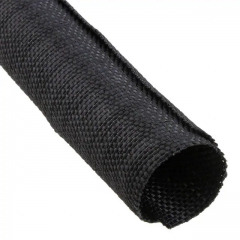
Proper cable protection isn’t optional—it prevents disasters. Using conduit, armored tubing, sealed joints, UV-resistant sleeving, or buried cable warning systems minimizes risk. Add redundancy, monitoring, and accurate documentation, and you’re protecting systems—and lives.
Codes like NEC, NFPA, and UL standards exist for a reason. They address chemical risk, flame/smoke rating, moisture exposure, and physical threats. When cable protection meets inspection, it delivers reliability and compliance.
Types of Cable Protection That Prevent Disasters
If you want your cables to last and your systems to stay online, you need to think beyond the basics. Effective cable protection is never a single product or one-size-fits-all solution. The best approach matches the protection to the threat, the location, and the regulations you must meet. Let’s look at the main types of cable protection you can use to avoid outages, downtime, and dangerous failures.
Conduit Systems: The First Line of Defense
Conduit—whether metallic, PVC, or flexible—remains the gold standard for physical cable protection in demanding environments.
Rigid metal conduit shields cables from crushing, rodents, heavy impacts, and even fire. It’s required by code in many commercial and industrial buildings for exposed wiring, underground runs, and high-risk areas. Flexible conduit lets you route wires around corners and equipment, combining strength with ease of installation.
PVC conduit is lightweight, resistant to moisture, and perfect for underground or damp locations. It helps keep water out and stands up to mild chemicals. For outdoor installs or areas prone to impact, always opt for conduit rated for UV and weather exposure.
When installed correctly—with sealed joints and proper supports—conduit turns exposed cables into a fortress.
Armored and Shielded Cables: Built-In Protection
Some jobs call for armored or shielded cable—the kind with metal sheathing built right into the cable itself.
Armored cables offer robust defence against crushing, sharp tools, and gnawing pests. They’re commonly used in high-traffic areas, under floors, or where digging or machinery is a risk.
Shielded cables, meanwhile, block electromagnetic interference and reduce the risk of signal loss or cross-talk, which is essential in sensitive data and control systems.
Combining armored cables with conduit is the gold standard for ultimate security—perfect for critical power, communication, or control circuits in both public infrastructure and mission-critical facilities.
Cable Sleeving: Flexible and Customizable
For less hazardous environments, cable sleeving—especially braided or woven types—provides abrasion resistance, keeps wires tidy, and allows for easy inspection.
Heat-shrink sleeving, in particular, forms a tight seal and offers additional insulation. Sleeving also helps with color-coding, making maintenance and troubleshooting much faster.
For outdoor use or in high-humidity locations, choose sleeving made from UV-resistant or water-repellent materials.
Textile and fiberglass sleeving can also add a layer of fire resistance, which is now a requirement in many commercial settings following disasters like the New York Telephone Exchange fire.
Underground and Direct Burial Protection
When you bury cables, you’re dealing with threats like moisture, soil movement, digging equipment, and insects.
Use direct burial-rated cables, which feature thick, water-resistant jackets. For extra security, install cables inside dedicated underground conduit with watertight seals at every joint.
Mark cable routes clearly with warning tape or tracer wires above the run. This simple practice can stop backhoes and excavators from causing the next multi-state outage.
It’s also smart to map and document every underground installation. Use GPS coordinates, digital mapping, or local utility locator services.
It’s not just good practice—it’s often a legal requirement and can make all the difference in an emergency.
Fire-Resistant and Low-Smoke Solutions
Modern standards demand that cables installed in plenum spaces, escape routes, and large buildings use low-smoke, zero-halogen (LSZH) or fire-resistant insulation.
This type of protection prevents the rapid spread of fire and drastically reduces toxic smoke—a key lesson from disasters like the NYC telephone exchange fire.
Installing the right cable and sleeve isn’t just about passing inspection. It saves lives and prevents secondary disasters when things go wrong.
Warning Systems, Markers, and Monitoring
Don’t overlook the power of signage and real-time monitoring.
Brightly colored warning tape, cable markers, and “call before you dig” systems have prevented countless accidents.
Modern fault detection and monitoring can pinpoint underground faults before they spiral out of control.
Adding these simple, low-cost steps to your protection plan closes the loop on prevention.
Final Thoughts: Don’t Wait for a Disaster
Every incident shows what happens when cables aren’t properly protected. Whether in buildings, underground, or remote installs, proper wire protection reduces risk, lowers service interruptions, and can even protect public health. You don’t have to wait for a lightning strike—or a backhoe—to realize the value of smart cable design.
For more insights and tips on cable ties and other related products, explore cabletiesunlimited.com, get a quick and free quote, and follow us on our social media communities on Facebook and Instagram!