


If you work with electrical wiring, you’ve probably seen products with the “UL Listed” mark. You might have wondered what it actually means, and why it’s important for wire connectors. This blog post explains the UL listing for wire connectors, why it matters for your safety, and how to spot the difference between listed and non-listed products.
Let’s make sense of this label and help you choose safer, better connectors for your next project.
What Does “UL Listed” Mean?
The “UL” in UL Listed stands for Underwriters Laboratories. UL is a global safety science company based in the United States. It’s been around since 1894. The company is best known for its testing and certification of electrical products.
When a wire connector is “UL Listed,” it means the product has passed strict testing. UL has checked it for safety, durability, and proper function. Only products that meet these tough requirements earn the right to display the UL Listed mark.
Learn more: How to Use Wire Connectors for CCTV Systems.
Why Should You Care About UL Listing?
The UL Listed mark is more than a fancy logo. It shows that the connector meets high safety standards. If you use non-listed connectors, you risk fire, short circuits, or electrical failure. UL listing provides peace of mind that your connectors have been independently tested.
Here’s why UL listing matters:
- Safety: UL Listed connectors are less likely to fail or cause fires.
- Reliability: They hold up under tough conditions and over time.
- Insurance: Many insurance policies require UL Listed components in electrical systems.
- Compliance: Most building codes insist on UL Listed connectors for new installations and repairs.
- Trust: You know a third party, not just the manufacturer, has tested and approved the connector.
How UL Tests Wire Connectors
UL puts wire connectors through a series of intense tests before granting the mark. The process includes:
- Mechanical strength: Connectors must hold wires tightly and not loosen with vibration or movement.
- Conductivity: They must allow current to flow safely, without overheating.
- Fire resistance: Connectors are exposed to heat and checked for signs of melting or burning.
- Corrosion resistance: UL tests connectors against humidity, chemicals, and other harsh conditions.
- Compatibility: Connectors must fit and work with the wire sizes claimed by the manufacturer.
Connectors that pass all these checks are awarded the UL Listed status. UL then inspects factories regularly to make sure ongoing production meets the same standard.
What the UL Mark Looks Like
You can spot a UL Listed connector by checking the packaging or the connector itself. Look for one of these marks:
- The simple “UL” inside a circle.
- “UL Listed” with a product category, such as “Wire Connector.”
- Sometimes, a unique control or file number helps trace the certification online.
If you’re unsure, visit UL’s online database and enter the manufacturer’s name or the file number. You’ll see if the product is genuine.
Why Wire Connectors Need Certification
Wire connectors play a crucial role in electrical safety. They join wires securely and insulate them from contact with each other and the environment. A poor-quality connector can lead to:
- Loose wires, which cause arcing and fires.
- Poor insulation, which leads to short circuits.
- Corrosion, which increases resistance and heat.
- Failing under stress, vibration, or changing temperatures.
UL Listed connectors lower these risks. The certification helps protect people, property, and equipment.
Types of UL Listed Wire Connectors
You’ll find several types of wire connectors that carry the UL Listed mark. Here are some of the most common:
Twist-On (Wire Nuts)
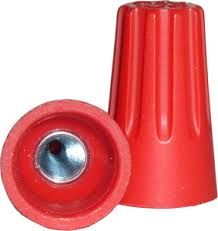
These are the classic plastic caps you twist onto the ends of wires. Inside, a metal coil grips the wires. They come in many colours and sizes for different jobs.
Push-In Connectors
These connectors let you push stripped wire ends into separate holes. An internal clamp grips each wire tightly. They are very popular for quick installs and neat results.
Crimp Connectors
Crimp connectors work by compressing a metal sleeve onto the wires. You need a crimping tool to make the join. They provide a strong, permanent connection.
Winged Connectors
Winged wire connectors are a variation of twist-on types. They have extended side grips (wings) that make them easier to twist. They are great for joining several wires or working in tight spots.
Inline Splice Connectors
Inline splice connectors allow you to join two wires in a straight line. You often use these for repairs or extensions.
All these types can carry the UL Listed mark if they pass testing.
Read more: Winged Wire Connectors vs Standard: Why the Right Choice Makes Your Wiring Easier.
What Happens if You Use Non-UL Listed Connectors?

Some stores or online sellers offer wire connectors without the UL mark. These may be cheaper, but they come with big risks:
- The connector may not grip wires securely, leading to loose or dangerous joins.
- Poor materials could melt, break, or let moisture in.
- Non-listed connectors may not handle the correct voltage or current.
- You could void your insurance if your wiring fails.
- An inspector may force you to redo your work, wasting time and money.
It’s simply not worth risking safety or compliance for a small saving.
UL Listing and the Law
In the United States, UL Listing is a key standard for electrical safety. Most building codes and regulations require that electrical products and connectors be UL Listed or certified by an equivalent testing organization. While UL Listing isn’t always legally required for every product, it adds a critical layer of safety and is often expected by inspectors, contractors, and customers.
If you’re working on projects in the US—or for American clients—using UL Listed connectors is typically mandatory to pass inspections and meet code. Always check your local and state regulations to ensure compliance.
How to Choose a UL Listed Wire Connector
Here’s how to select the right UL Listed connector for your project:
-
Check the wire size range. Only use connectors approved for your wire gauge.
-
Look at the number of wires. Each connector lists how many wires it can safely join.
-
Consider the environment. Outdoor or wet locations need special weatherproof connectors.
-
Read the packaging. The UL mark, file number, and instructions should all be visible.
-
Buy from reputable suppliers. Avoid counterfeit or untested products.
How to Install UL Listed Wire Connectors
Installation is simple, but you must follow the manufacturer’s instructions:
- Strip the correct length of insulation from each wire.
- Hold wires together and twist them in the same direction as the connector.
- Place the connector over the wire ends and twist until tight.
- Tug gently on each wire to check for security.
- Never reuse a wire connector once removed.
If you’re using a push-in or crimp connector, follow the specific guidelines for each.
Benefits of Using UL Listed Wire Connectors
Let’s sum up the key advantages:
- Peace of mind: Know your connections are safe and strong.
- Better performance: Less chance of faults, fires, or failures.
- Pass inspections: Compliance with most building codes and standards.
- Longevity: Materials are tested to last, even in harsh conditions.
- Easy replacement: UL Listed products are widely available and easy to match for repairs.
FAQs
Do UL Listed wire connectors cost more?
Usually, only slightly more than non-listed ones. The safety and reliability are well worth the extra few cents.
Can you use UL Listed connectors for all types of wiring?
Yes, but only within the limits specified on the packaging. Always check wire gauge and environment ratings.
How do I tell if a connector is fake?
Only buy from trusted sellers. Check the UL file number online if you have doubts.
Do I still need a licensed electrician?
Yes. Always use a licensed electrician for fixed wiring or high-voltage work.
Final Thoughts
UL Listed wire connectors give you confidence that your electrical joins are safe, strong, and reliable. The UL mark proves the product has passed tough, independent tests. Don’t risk your project or your safety by using unknown brands or uncertified products.
Whether you’re a DIYer or a pro, always check for UL certification. Your home, workplace, and peace of mind deserve nothing less.
For more insights and tips on cable ties and other related products, explore cabletiesunlimited.com, get a quick and free quote, and follow us on our social media communities on Facebook and Instagram!