


Outdoor fence wiring needs steady support through long hours of sun, heavy rain, wind, and temperature shifts. UV cable ties provide reliable fastening for perimeter cabling because they resist sunlight and hold strength longer than standard nylon.
This guide explains how UV cable ties improve fence wiring performance, how climate affects longevity, and how installers can boost durability through better placement, tension, and protection.
Why UV Cable Ties Matter for Fence Wiring
Fence wiring lives in full exposure. Sunlight hits the tie all day, and wind pushes cables against posts and rails. Standard nylon weakens quickly under these conditions. UV-stable nylon absorbs less UV radiation, which slows erosion and reduces brittleness.
UV-resistant ties handle repeated movement and hold shape during hot and cold shifts. They remain flexible longer and maintain grip even when exposed to dust, salt, or constant vibration.
UV Degradation and Outdoor Fencing
UV damage happens slowly. Nylon begins to fade and dry before small cracks appear. Once cracking starts, strength drops. A tie that once held firm may snap under light pressure.
Fencing creates extra stress because cables shift with wind, animals, or passing vehicles. A degraded tie cannot handle this movement.
How UV Breaks Down Nylon
UV radiation attacks polymer chains. These chains lose structure and break apart. The tie becomes chalky, brittle, and unevenly coloured.
Black UV cable ties protect against this damage because their pigment absorbs part of the UV load. Additives inside the nylon slow deeper penetration and extend service life.
Climate Conditions That Affect Fence Installations
Climate shapes outdoor performance. UV cable ties resist sunlight, but other elements still play a role.
High Sun Regions
Regions with strong sun see faster surface erosion. Ties fade, chalk, and weaken sooner. Installers need more frequent inspections.
Coastal Areas
Salt spray scratches the surface of ties. Scratches allow UV to attack faster. Wind-driven movement adds strain.
UV-rated ties still last longer than natural nylon, but coastal life reduces lifespan compared with inland zones.
Cold and Windy Zones
Cold air stiffens nylon. A stiff tie cracks more easily when pulled or bent.
Wind movement increases mechanical stress across fence lines.
Wet and Humid Regions
Moisture enters the nylon and increases swelling. Swelling reduces flexibility and makes ties more prone to stress cracks.
Best Practices for Using UV Cable Ties on Fences
Good technique improves performance even before the tie faces weather. Fence wiring only stays secure when ties are installed correctly.
Choosing the Right Tie Size
Choose a tie long enough to wrap securely around posts or rails. Too short creates excess tension. Too long leaves unwanted slack.
Correct sizing distributes pressure evenly and reduces break risk.
Selecting Weather-Resistant Grades
UV-resistant nylon is the minimum requirement. Weather-resistant grades provide even better performance in rain, humidity, and shifting temperatures.
For coastal or tropical areas, select the highest available UV rating.
Avoiding Excess Tension
Overtightening weakens the tie from day one. A tight tie cannot adjust during thermal movement.
Use firm, even pressure, not maximum tension.
Placement Tips for Better Outdoor Durability
Small placement adjustments make a noticeable difference in how long outdoor cable ties last. Outdoor cabling moves with wind, heat, and vibration, so thoughtful positioning helps reduce surface wear and tension. These changes protect the nylon from early breakdown and create a more stable installation across long fence lines or exposed structures.
Positioning Away From Sharp Edges
Fence posts, metal brackets, and railings often have sharp or unfinished edges that cut into nylon when cables shift. Movement during wind or temperature changes increases this wear. Positioning ties a little farther from those edges, adding a buffer, or smoothing the surface before installation prevents abrasion and extends the lifespan of the tie.
Keeping Ties Out of Drip Lines
Fence lines near roofs, sheds, or overhangs often sit directly under drip points. Repeated wetting weakens nylon and increases surface erosion, especially when combined with sunlight. Placing ties slightly higher, lower, or off to the side keeps them out of constant moisture and reduces long-term degradation.
Spacing Ties for Stability
Wide gaps allow cables to swing during wind and create uneven strain along the fence. Tight, consistent spacing keeps the cable secure and prevents sagging. Even spacing also spreads movement and stress across the entire run instead of concentrating wear on a few ties.
Building Reliable Perimeter Cabling

Perimeter cabling supports critical systems such as alarms, cameras, gate sensors, and data lines. These components require stable fastening because outdoor movement affects signal clarity and equipment lifespan. UV cable ties help maintain structure and tension, which supports long-term reliability.
Supporting Security Systems
Security cameras and sensor devices rely on stable wiring to deliver clear signals. Loose or sagging cables reduce reliability and lead to repeat maintenance calls. UV-rated ties hold their shape longer in sunlight, which helps keep security lines tight and consistent.
Preventing Cable Wear
Wind pushes cables against posts and rails, which causes friction and surface wear. Well-organised bundling limits this movement and holds the cable in place. Reducing rubbing preserves both the cable jacket and the fastener.
Protecting Outdoor Data Lines
Outdoor data lines need stable spacing to prevent accidental strain. UV cable ties keep cables aligned and supported, reducing the risk of bending or tension that interferes with data performance.
Installation Techniques That Reduce Stress
Simple adjustments during installation help cables handle outdoor conditions more effectively. Reducing stress at key points prevents cracking, sagging, and early wear, which keeps systems stable through seasonal changes.
Creating Even Cable Bundles
Even bundles reduce bending stress and make the run easier to secure. Forcing cables into tight corners or sharp angles increases surface pressure and shortens lifespan. Smooth, consistent bundles sit cleanly against fence rails and limit unnecessary movement.
Supporting Long Vertical Drops
Vertical sections place weight on the ties below them. Adding additional ties near heavy connectors or junctions distributes the load and prevents the entire weight of the cable from pulling downward. This support protects both the bundle and the tie.
Anchoring at Key Tension Points
Gates, corners, and wind-prone areas create tension that standard spacing cannot handle. Adding extra anchoring ties or using reinforced mounts strengthens these high-stress zones. This reinforcement helps maintain alignment and reduces the risk of sudden failure.
Learn more: Weatherproofing Your Outdoor Furniture with UV-Resistant Zip Ties.
Protective Additions That Increase Lifespan
Protective accessories shield cable bundles from sun, wind, and abrasion. These additions strengthen outdoor systems in zones with severe weather or high UV levels.
Useful Protective Accessories
Conduit protects cables in high-sun areas. Sleeves add extra cushioning in zones with frequent movement. Weather-rated mounts help maintain consistent spacing along long fence runs. Together, these accessories limit UV exposure, reduce friction, and guard against seasonal wear.
Maintenance for Fence Wiring and Perimeter Cabling
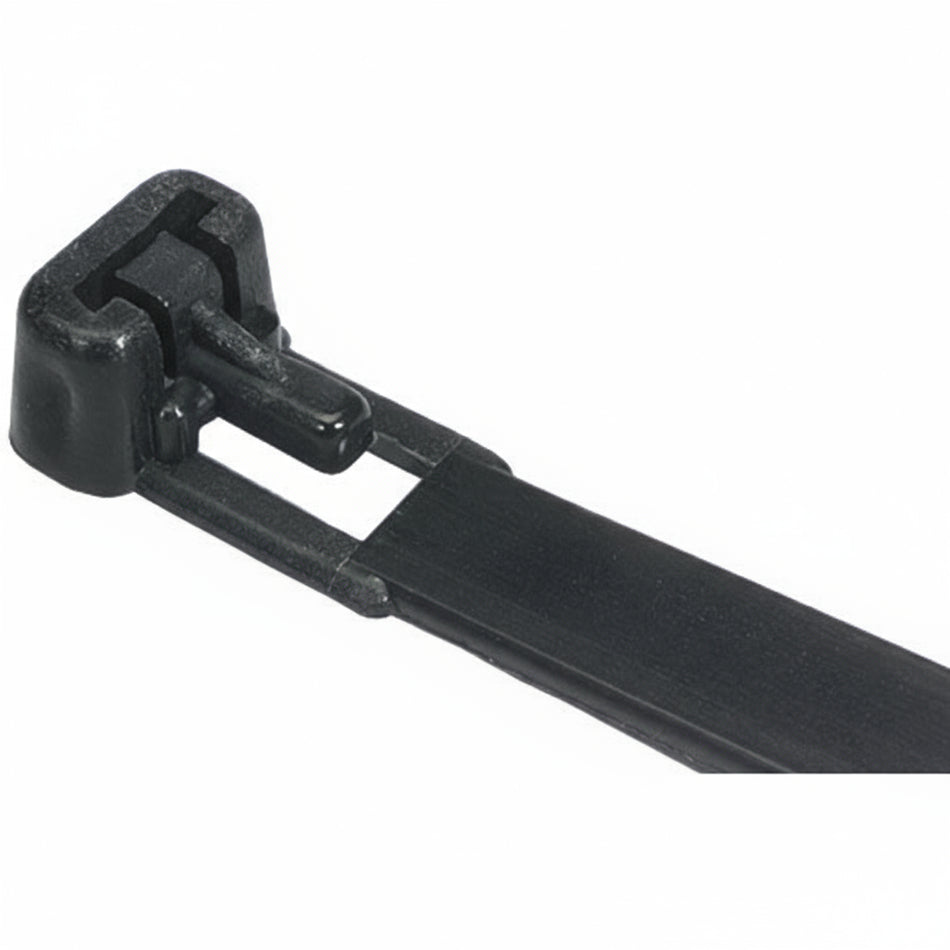
Maintenance keeps perimeter systems reliable throughout the year. Even UV-rated ties need routine checks because outdoor exposure gradually reduces strength. Scheduled inspection prevents unexpected breaks and protects connected systems.
Inspecting for Chalk or Fade
Chalking and fading signal early UV erosion. The surface becomes pale or powdery as polymer chains break down. Replacing ties at this stage prevents failure during hot or windy conditions.
Checking After Seasonal Change
Summer heat expands materials, while winter cold contracts them. These shifts loosen some sections and tighten others. Inspecting and adjusting tension after each season helps maintain stable cable runs.
Cleaning Salt and Dirt
Salt scratches nylon and accelerates wear. Dirt traps moisture against the surface. Light cleaning removes both and slows down degradation.
Replacing Ties Before Failure
UV damage often becomes critical without warning. Replacing ties before cracking ensures the bundle stays secure during storms or high winds. Fence wiring systems benefit from proactive maintenance.
Replacing Weak Sections
If one tie fails in a section, nearby ties have likely weakened as well. Replacing entire clusters helps maintain even strength across the run.
Using UV-Rated Replacements
Outdoor conditions break down natural nylon quickly. Always use UV-rated ties to ensure long-term durability and prevent repeated failures.
Planning a Long-Term Perimeter Cabling System
Planning reduces future maintenance and improves system performance. A well-designed layout helps cable runs adapt to changing weather, soil movement, and mechanical stress.
Allowing Movement
Outdoor cables move with wind and temperature changes. Leaving a small amount of slack prevents constant tension and protects the tie from pulling forces.
Avoiding High-Stress Mounts
Sharp or rough metal brackets wear against nylon. Using rounded surfaces or adding padding reduces friction and protects the tie during movement.
Using Redundant Supports
Critical sections benefit from two ties instead of one. Redundant fastening keeps cables secure during storms or vibration and prevents sudden failure if one tie weakens.
Climate Zones and Fence Performance
Climate is a major factor in how fast nylon ages outdoors. Knowing the conditions of the installation site helps teams choose the right tie and plan inspection schedules.
Hot and Sunny Zones
High UV levels shorten service life. These regions need UV-rated ties and more frequent inspections.
Coastal Zones
Salt increases abrasion and traps moisture. Cleaning helps, but replacement cycles should be shorter for coastal installations.
Cold Zones
Cold temperatures stiffen nylon and increase brittleness. Cold-rated UV ties help maintain flexibility during winter, and installation should be avoided during extreme cold.
Mixed Seasonal Zones
Installations in these areas face UV damage in summer and brittleness in winter. Regular inspection is essential because the combination of these stresses accelerates wear.
Final Thoughts
Fence wiring and perimeter cabling face tough outdoor conditions. UV cable ties offer stronger, longer-lasting fastening because they resist sunlight, movement, and weather. Their stability supports security systems, data lines, and long cable runs across many climates.
With the right materials, careful placement, and regular inspections, outdoor installations remain secure and reliable through every season.
For more insights and tips on cable ties and other related products, explore cabletiesunlimited.com, get a quick and free quote, and follow us on our social media communities on Facebook and Instagram.