


Water is a hidden threat for electrical systems in the United States. From hurricanes and Midwest floods to humid basements and splash-prone industrial kitchens, even a small leak can corrode conductors or trigger a short. If you’re responsible for wiring in American homes, businesses, marinas, or outdoor facilities, you can’t afford to overlook moisture protection.
The right cable sleeving makes the difference between years of trouble-free operation and an expensive, dangerous mess.
Why Moisture Protection Is a Must
Many American contractors, facility managers, and homeowners underestimate how quickly water can destroy wiring. Moisture corrodes copper, rots insulation, and can even cause fires if it reaches exposed junctions. In high-moisture settings—like car washes, food processing plants, US marinas, or any outdoor install—ordinary cable sleeving won’t stand up to the job.
You need protection that’s designed for wet, unpredictable environments and meets US building and safety codes.
What Makes Cable Sleeving Truly Water-Resistant?
It’s not just about the base material—it’s also the design, how you install it, and how well it stands up over time.
A truly water-resistant sleeve:
- Forms a continuous barrier against liquid intrusion
- Resists mold and mildew (common in US basements and crawl spaces)
- Blocks not only water, but also dirt, oil, and cleaning chemicals often used in American facilities
- Can be sealed at both ends—no open gaps for water to sneak in
For wet locations, look for sleeving that is smooth, non-porous, and easy to pair with cable glands or waterproof connectors.
Where Do Americans Face Moisture Threats Most Often?
Let’s get specific. In the US, you’ll find critical moisture-prone wiring in:
- Residential basements and crawl spaces (think sump pump power, HVAC lines, security cables)
- Commercial kitchens and food prep areas (where washdowns are daily events)
- Industrial wash bays, breweries, and dairy processing
- Outdoor lighting, irrigation, or pool equipment
- Marinas, boatyards, and water parks
- Telecommunications vaults and manholes in flood-prone zones
- Construction sites with exposure to rain and mud
- If you’re working in any of these, you must choose your cable sleeving carefully.
Top US-Ready Cable Sleeving Types for Wet and Damp Areas
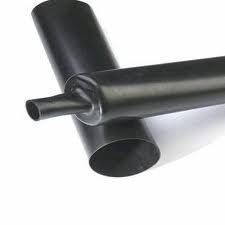
Heat Shrink Tubing

For American electricians, heat shrink tubing remains the gold standard for waterproofing.
Slip it over your wire or connector, hit it with a heat gun, and it forms a snug, water-tight barrier. Many US brands offer heat shrink with adhesive linings—the heat melts the glue, ensuring a bond that blocks out moisture for years.
You’ll find this solution used from Florida marina docks to Midwest irrigation controls. It’s also a top choice for automotive, trailer, and RV wiring that faces snow, rain, or puddle splashes.
PVC and Polyolefin Sleeving
PVC (polyvinyl chloride) and polyolefin are tough, chemical-resistant options common in American industrial and food processing settings.
They are smooth, flexible, and easy to clean—perfect for cables exposed to frequent washdowns or cleaning solutions. They don’t absorb moisture, stay stable when splashed, and resist mold. These materials are trusted in labs, plants, and anywhere the US FDA or OSHA might come calling.
Silicone-Coated Fiberglass Sleeving
If you need to combine heat and water resistance, silicone-coated fiberglass sleeving is a US industry favorite.
While fiberglass alone isn’t waterproof, the silicone jacket is. It stands up to both steam and splashing, making it ideal for motor leads, industrial ovens, or outdoor HVAC equipment.
PTFE (Teflon) Sleeving
In the harshest American environments—chemical plants, power stations, or places with regular steam cleaning—PTFE (Teflon) sleeving is unbeatable.
It’s non-stick, resists water and nearly any chemical, and stays reliable even with constant condensation. This is a premium choice for mission-critical or high-liability wiring.
Choosing the Right Sleeving for Your Moisture-Prone Installation
The right choice depends on your job site. Underground or underwater cables? Always seal with adhesive-lined heat shrink.
Exposed to washdowns, cleaners, or splashes? PVC, polyolefin, or PTFE are your go-to choices. For wiring that faces both high heat and water, silicone-coated fiberglass is your best friend.
Never leave the ends of your sleeving open—always seal them with heat shrink, cable glands, or waterproof connectors.
And remember, in the US, not every “water-resistant” product truly keeps water out. Read specs, buy from reputable suppliers, and confirm UL or NEC compliance for wet locations.
US Codes, Compliance, and Why It Matters
Water protection isn’t just a best practice in America—it’s a legal requirement in many states and cities. The National Electrical Code (NEC) outlines wet-location wiring practices, and many insurance companies will deny claims if non-compliant sleeving or cable protection is used after a flood or short circuit.
Look for products rated for “wet location” use and always document your installation. If an inspector comes knocking or something fails, this documentation proves you did the job right.
Frequently Asked Questions (FAQ) About Moisture-Resistant Cable Sleeving in the US
What is the best type of cable sleeving for outdoor use in the US?
For outdoor US installations, heat shrink tubing with an adhesive lining is usually best for a fully waterproof seal. PVC, polyolefin, or PTFE (Teflon) sleeving are also strong choices for areas exposed to rain, irrigation, or washdowns. Always check the product label for “outdoor” or “wet location” ratings.
Do I need to seal the ends of my cable sleeving?
Yes, always seal the ends! Even the best moisture-resistant sleeving can let water in if the ends are left open. Use heat shrink tubing, cable glands, or waterproof connectors to create a complete barrier. This simple step will keep your cables safe and dry.
Is PVC cable sleeving legal for wet locations in the United States?
PVC sleeving is widely accepted and used in the US for wet and damp locations, especially when paired with the right connectors and sealed joints. Always check local building codes and the National Electrical Code (NEC) to ensure compliance.
Can I use cable sleeving for underground wiring?
You can, but it must be rated for direct burial or installed inside a watertight conduit. For the best results, use adhesive-lined heat shrink tubing over each splice and seal all entry and exit points. Mark underground cable paths with warning tape to prevent accidental damage during future digging.
How can I tell if a cable sleeve is truly water-resistant?
Look for clear ratings or certifications, such as UL approval for wet locations. Water-resistant sleeves should specify resistance to water, chemicals, and mold. When in doubt, contact the manufacturer or supplier and ask for their technical datasheet.
The Bottom Line: Protect Your Cables, Protect Your Investment
Water will find any weakness in your wiring, and in the US, the costs of repair, downtime, or liability can be huge. With the right cable sleeving, you’ll avoid costly callouts, failures, and even potential litigation.
Choose proven solutions, seal your ends, and trust products that meet tough US standards. Don’t let water turn a small oversight into a disaster.
For more insights, tips, and trusted cable protection products, check out cabletiesunlimited.com.
Get a quick quote, or join our community on Facebook and Instagram for more practical advice—straight from real American job sites.
If you have a unique project or need code guidance for your region, just ask. I’m here to help you get it right, every time.