


Cable ties are designed to secure and organize wiring, but their performance depends on durability. One of the greatest challenges to durability is temperature shock. This phenomenon occurs when materials face sudden, extreme changes from hot to cold or cold to hot.
Temperature shock stresses polymers, metals, and other materials. Cable ties that cannot withstand it crack, weaken, or fail prematurely. In industries that rely on reliable wiring, this creates serious risks. Testing cable ties for longevity under temperature shock is critical for ensuring safety and compliance.
Understanding Temperature Shock
Temperature shock, also called thermal cycling, occurs when materials are exposed to alternating temperature extremes. Imagine a cable tie inside an aircraft that takes off from a hot runway and reaches freezing conditions at altitude. The sudden change forces the material to expand and contract.
These cycles repeat constantly in many U.S. industries. Cars face engine heat followed by winter cold starts. Outdoor telecom systems endure summer sunlight followed by freezing nights. Data centers even experience local microclimates inside racks. Each shift stresses cable ties.
Why Longevity Testing Matters
Longevity testing ensures cable ties perform throughout their intended lifespan. Without testing, ties may fail years earlier than expected. A tie that snaps during critical operations compromises entire systems.
Testing also verifies compliance with U.S. regulations. Standards from UL, ASTM, and ISO require proof that cable ties remain safe under real-world conditions. Longevity testing through temperature shock simulations provides that proof.
How Temperature Shock Affects Cable Ties
Cable ties made from nylon or other polymers expand when heated and contract when cooled. Repeated cycles create stress points that eventually lead to cracks. In freezing conditions, nylon becomes brittle. Under heat, it softens and stretches.
Temperature shock accelerates these processes. A tie exposed to rapid cycling may lose tensile strength quickly. Its locking mechanism may also deform, reducing grip. Without proper materials, cable ties cannot withstand years of service in U.S. environments.
Testing Methods
Testing for temperature shock involves subjecting cable ties to repeated cycles of heating and cooling. Laboratories use environmental chambers to simulate extreme ranges.
A typical test may expose ties to –40 °F followed by 185 °F in quick succession. The cycle repeats hundreds or thousands of times. Technicians measure tensile strength, locking integrity, and visual wear after testing.
These tests replicate real-world conditions. For example, ties used in aerospace may undergo cycles simulating altitude changes. Automotive ties face cycles simulating hot engines and cold starts. By repeating cycles, manufacturers confirm whether ties maintain longevity.
Materials That Resist Temperature Shock
Not all cable ties perform the same under thermal stress. Standard nylon 6/6 offers durability but loses strength in extreme cold. Heat-stabilized nylon extends performance into higher temperatures but still struggles with severe cycling.
Advanced polymers like PEEK (polyetheretherketone) maintain strength across wide ranges. Fluoropolymers offer excellent resistance to both temperature extremes and chemical exposure. Stainless steel ties resist shock entirely because metal expands and contracts uniformly without brittle failure.
Material selection directly affects longevity. For critical U.S. industries, advanced materials are often necessary.
U.S. Industry Applications
Temperature shock testing matters most in sectors where wiring cannot fail.
In aerospace, aircraft wiring experiences rapid altitude changes. Ties must perform under both freezing external conditions and engine heat. In automotive, engine compartments face cycles of heat during operation and cold during storage. Telecom towers experience daily shifts between sun and night chill. Data centers rely on steady performance in microclimates where hot spots alternate with cooling systems.
Each industry requires cable ties tested for longevity through temperature shock. Without it, systems face downtime and safety risks.
Signs of Failure in Cable Ties
Technicians can spot temperature shock damage with inspections. Common signs include cracks along the body of the tie, discoloration from repeated stress, loosened locking heads, and reduced tensile strength during tension checks.
These signs show that the material has lost integrity. Inspections must occur regularly in U.S. facilities to ensure early replacement of compromised ties.
Product Review: Heat-Stabilized Nylon Ties from Cable Ties Unlimited
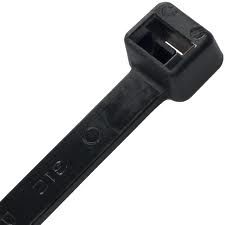
Cable Ties Unlimited offers Heat-Stabilized Nylon Cable Ties designed for challenging environments. Manufactured from modified nylon 6/6, these ties resist higher temperatures than standard versions. They remain durable in cycles ranging from freezing cold to engine heat.
The ties feature strong tensile strength, smooth edges to protect cables, and a secure locking head that resists loosening during vibration. While they are not intended for the extremes of aerospace, they provide reliable performance for automotive, telecom, and industrial applications.
In practice, these ties extend longevity where standard nylon would fail. Their ability to withstand temperature cycling makes them ideal for installations exposed to the unpredictable U.S. climate.
Installation Practices for Longevity
Even the best materials fail without proper installation. To extend cable tie longevity, technicians must use tensioning tools to avoid overtightening. Overtight ties are more likely to crack under temperature cycling.
Spacing ties correctly also helps. Bundles that are too tightly packed restrict airflow, increasing heat buildup. Allowing small gaps ensures both flexibility and cooling. These practices maximize the lifespan of ties under shock conditions.
Maintenance and Replacement
Temperature shock is unavoidable in many U.S. industries, but maintenance reduces risks. Regular inspections identify worn ties before they fail. Technicians should document replacement schedules and track performance data.
Replacing ties proactively costs less than waiting for failures. Planned maintenance prevents downtime and ensures compliance with industry regulations.
Compliance and Standards
U.S. standards guide longevity requirements for cable ties. UL 94 covers flame resistance, but thermal testing ensures ties also survive heat cycling. ASTM methods define test protocols for mechanical strength after environmental exposure. Aerospace projects follow FAA and NASA requirements, which emphasize resistance to thermal shock.
Compliance requires documented test results. Manufacturers provide data sheets showing performance under simulated conditions. Choosing ties without test validation risks both safety and regulatory violations.
Cost Versus Value
Heat-stabilized and advanced material ties cost more than standard nylon. However, the value lies in longevity. Ties that resist temperature shock require fewer replacements, reduce downtime, and protect expensive systems.
In U.S. industries where failure costs millions, the added investment is small. Over the long term, failsafe ties save money and improve reliability.
The Future of Temperature Shock Testing
Future cable tie designs will integrate smarter materials. Advanced composites may combine flexibility with resistance to both heat and cold. Manufacturers may also embed sensors that track temperature exposure, alerting technicians when ties approach end-of-life.
Sustainable materials are also emerging. Eco-friendly polymers may balance performance with recyclability. In the U.S., where environmental responsibility is growing, ties that combine longevity with sustainability will gain demand.
Conclusion
Temperature shock is one of the greatest challenges to cable tie longevity. Without proper materials and testing, ties crack, loosen, and fail under repeated thermal cycling. This risk affects aerospace, automotive, telecom, and data centers across the United States.
Testing cable ties for longevity ensures safety, compliance, and efficiency. Products like the heat-stabilized nylon ties from Cable Ties Unlimited demonstrate how advanced materials provide reliable performance. By resisting temperature shock, they protect wiring and extend service life.
For organizations that demand reliability, temperature shock testing is not optional. It is the foundation of cable tie longevity and critical system integrity.
For more insights and tips on cable ties and other related products, explore cabletiesunlimited.com, get a quick and free quote, and follow us on our social media communities on Facebook and Instagram!