


Saltwater eats away at most materials. If you work on boats, docks, or coastal sites, you know this better than anyone. Regular cable ties just can’t cut it when they’re exposed to salt, spray, and sun. That’s where saltwater-resistant cable ties step up.
These aren’t just “tougher” plastic—they’re engineered for some of the world’s harshest environments. Whether you’re managing electrical wiring on a yacht, building a marina, or just want to keep your garden irrigation tidy near the sea, you need solutions that won’t fail.
Let’s dig into what makes a cable tie saltwater resistant, how to pick the right one, and why they matter for industries far beyond boating.
What Makes a Cable Tie Saltwater-Resistant?
Not every cable tie can survive a salty environment. Several key features make a cable tie genuinely resistant to saltwater:
1. Material Choice
-
Nylon 12: This is the most common material for saltwater resistance. It resists water absorption and chemical attack much better than standard nylon 6/6.
-
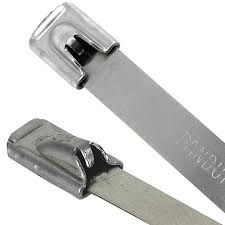
Stainless Steel (AISI 316): The king of marine cable ties. 316-grade stainless steel offers maximum corrosion resistance—even in direct contact with seawater.
-
Coated Stainless Steel: Some ties are stainless steel with an extra polymer coating, combining the strength of steel with extra chemical protection.
2. UV Resistance
Saltwater environments usually mean strong sunlight. UV-resistant ties don’t become brittle or chalky, even after years outdoors.
3. Design Features
-
Smooth Edges: Prevent damage to cables, especially in high-vibration marine settings.
-
Double-Locking Heads: Ensure the tie won’t loosen over time.
-
Embossed Markings: Let you check ratings or installation dates, which is useful for inspections.
Why Regular Cable Ties Fail in Saltwater
Regular cable ties made from basic nylon (usually nylon 6/6) absorb moisture. Salt accelerates the breakdown of these plastics. Over time, ties become brittle, crack, and lose strength. Even “weather-resistant” versions can’t handle daily salt spray, especially if they’re not UV stable.
Here’s what happens to standard cable ties in saltwater:
-
Corrosion: Especially with any metal parts, unless they’re marine-grade stainless steel.
-
Cracking: The tie weakens and breaks—sometimes suddenly.
-
Discoloration: Black ties fade to gray, and clear ones go yellow or cloudy.
You want a solution that’s tested for marine or coastal use—not just “weather-resistant.”
Industries That Rely on Saltwater-Resistant Cable Ties
Saltwater-resistant cable ties aren’t just for boaters. They’re essential for any operation near saltwater or brine.
Marine and Boating
-
Securing wiring in engine bays, cabins, and under decks
-
Holding hoses, rigging, and safety equipment
-
Organizing anchor chains or rope tails
Offshore and Coastal Construction
-
Managing electrical wiring in offshore wind farms or oil rigs
-
Securing safety barriers and signage on piers and jetties
-
Fixing netting or barriers for aquaculture farms
Utilities and Telecommunications
-
Fixing cables to utility poles in coastal towns
-
Organizing fiber optics in marine data centers
Aquariums and Water Parks
-
Securing pumps, filters, and lighting around saltwater exhibits
-
Keeping cabling safe in splash-prone areas
Landscaping and Irrigation
-
Managing irrigation hoses and pipes near the sea
-
Tying fencing or netting for coastal gardens
Home and DIY
-
Organizing hoses and outdoor wiring for beachside homes
-
Fixing holiday decorations exposed to salty air
Key Benefits of Saltwater-Resistant Cable Ties
You might think “a cable tie is a cable tie.” But with saltwater resistance, you get a whole new level of performance and reliability.
Extreme Durability
These ties are designed to last. Nylon 12 and 316 stainless steel can survive years of exposure with almost zero degradation.
Peace of Mind
No one likes getting a call about failed wiring or loose fittings. Saltwater-resistant ties stay strong and reliable—so you don’t have to worry about callbacks.
Safety
Cables that stay put reduce the risk of shorts, electrical fires, or tripping hazards. That’s especially important in wet environments where safety regulations are strict.
Lower Total Cost
You might pay more upfront, but you’ll replace these ties far less often. Fewer replacements mean less maintenance and lower costs over time.
Choosing the Right Saltwater-Resistant Cable Tie
Not all “marine” cable ties are created equal. Here’s how to pick the right one for your application.
Step 1: Match Material to the Environment
-
Nylon 12: Use for non-critical applications, where ties won’t be submerged but will see salt spray and humidity.
-
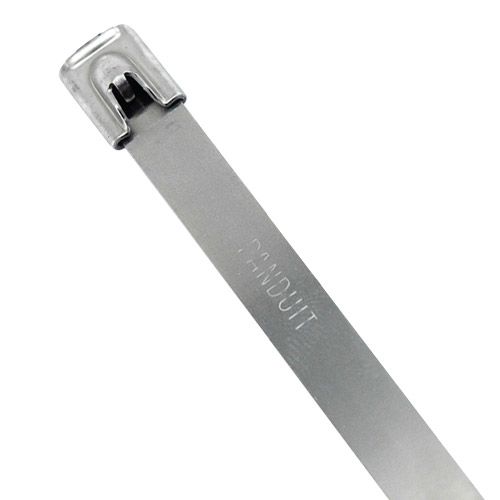
316 Stainless Steel: For anything critical—like wiring on boats, piers, or equipment that must not fail.
-
Coated Stainless Steel: Offers extra chemical resistance and helps avoid scratching sensitive surfaces.
Step 2: Check Temperature and UV Ratings
Look for ties that are rated for your climate. In hot, sunny areas, UV stability is a must.
Step 3: Review Strength and Size
Saltwater-resistant ties come in all sizes—from tiny ones for cable management to heavy-duty options for thick bundles. Check the maximum bundle diameter and tensile strength.
Step 4: Installation Tips
-
Pre-wash your hands or gloves to avoid transferring salt or chemicals during installation.
-
Make sure the surface is clean and dry.
-
Don’t overtighten, as this can crush or damage cables.
Maintenance and Replacement Tips
No cable tie lasts forever, even if it’s made for the harshest saltwater conditions. To keep your installations safe and reliable, you need a proactive maintenance routine. Start by inspecting your cable ties every six to twelve months. Look closely for any signs of wear, cracking, or corrosion. If you spot damage, don’t hesitate—replace the affected tie right away.
Always keep a supply of spare ties, especially if you work near the ocean or in high-salt environments. Being prepared means you can replace worn ties before they fail, avoiding surprise breakdowns or safety issues. It’s better to stay ahead of problems than wait for something to go wrong.
Storing your ties the right way also makes a difference. Keep unused cable ties in sealed bags or containers to protect them from the elements. Store them away from direct sunlight and moisture. This simple step helps preserve their strength and reliability until you’re ready to use them.
New Trends in Saltwater-Resistant Cable Ties
The market keeps moving forward. Here are some new developments:
Reusable Marine-Grade Ties
Some manufacturers now offer reusable nylon 12 or stainless steel ties with releasable heads. These are handy for temporary installs or frequent changes.
Metal Detectable Cable Ties
Great for food processing or aquaculture, these ties contain particles detectable by metal detectors, so they don’t end up in the product stream.
Custom Colours and Labelling
Coloured ties let you quickly identify circuits or systems, making inspections faster and safer.
Common Questions About Saltwater-Resistant Cable Ties
Q: Can I use regular cable ties if I just need a short-term fix?
Yes, but don’t expect them to last. Replace with marine-grade ties as soon as possible.
Q: Will stainless steel ties rust in saltwater?
316 stainless steel resists rust, but low-quality steel will fail fast. Always check the grade.
Q: Are saltwater-resistant cable ties food-safe?
Check the manufacturer’s certifications. Many marine ties meet food and water safety standards, but not all.
Wrapping Up
Saltwater-resistant cable ties aren’t just a premium option—they’re essential if you want reliability and safety near the sea. Whether you’re a boat owner, a contractor, or just someone who likes their garden gear to last, switching to the right tie pays off. Don’t get caught out by brittle plastic and surprise failures. Choose a tie built for salt, sun, and serious use.
For more insights and tips on cable ties and other related products, explore cabletiesunlimited.com, get a quick and free quote, and follow us on our social media communities on Facebook and Instagram!