


Cable ties play a vital role in medical and clean-room environments. These settings demand absolute cleanliness, strict compliance, and reliable equipment. Every detail matters, even down to how cables are secured. Using the wrong type of tie can compromise sterility, safety, and regulatory standards.
In hospitals, laboratories, and pharmaceutical facilities, wires and tubes run everywhere. They connect life-support systems, diagnostic equipment, and monitoring devices. Clean-rooms add another layer of complexity. They require particle-free environments where contamination cannot be tolerated. Cable ties used here must meet rigorous standards for safety and hygiene.
Why Medical and Clean-Room Applications Are Different
General-purpose cable ties work well for offices, factories, or outdoor systems. Medical and clean-room spaces, however, demand more. Ties in these areas face unique risks. Standard nylon may absorb moisture, shed particles, or degrade under sterilization. These failures are unacceptable.
Medical facilities must prevent infections, protect patients, and comply with FDA regulations. Clean-rooms, used for manufacturing pharmaceuticals or semiconductors, operate under ISO classifications. These classifications limit airborne particles to extremely low levels. Cable ties in such spaces cannot release dust or residue.
Regulatory Standards in the United States

Cable ties in medical and clean-room environments must meet multiple U.S. standards. The FDA requires materials suitable for contact with medical devices. USP Class VI testing confirms biocompatibility. For clean-rooms, ISO 14644 defines particle control, while the NEC outlines safe electrical installations.
Ties must also meet UL standards for flammability and tensile strength. In hospitals, ties may need to withstand sterilization through autoclaving, gamma radiation, or chemical cleaning. Choosing compliant ties ensures both safety and regulatory approval.
Materials for Safe Cable Management
Material choice is critical. Standard nylon 6/6 ties often fail under clean-room or medical conditions. They can absorb moisture, release particles, or weaken under sterilization. Instead, specialized materials deliver safety.
Polypropylene ties resist chemical cleaning and remain low in particulates. PEEK (polyetheretherketone) ties provide extreme heat resistance and withstand repeated sterilization. Fluoropolymer ties resist chemicals, radiation, and outgassing, making them ideal for clean-rooms. Stainless steel ties provide strength and resist corrosion, but must include smooth edges to avoid damaging cables.
The right material depends on the environment. Hospitals prioritize sterilization and biocompatibility. Clean-rooms demand particle control and chemical resistance. Each material addresses specific requirements.
Preventing Contamination

Cleanliness is the top priority in medical and clean-room environments. Cable ties must not generate particulates. This means avoiding ties with rough edges or brittle material that flakes over time. Smooth, molded designs reduce risk.
Ties must also resist microbial growth. Some medical-grade nylon ties are treated with antimicrobial coatings that inhibit bacteria. This protects both equipment and patients. In clean-rooms, non-outgassing materials prevent contamination of sensitive processes.
Installation Practices for Safety
Even the right cable tie fails if installed incorrectly. In medical and clean-room settings, installation must follow strict practices.
Tensioning tools should apply consistent force. This prevents overtightening, which damages cables and creates particle release. Flush cutters should trim excess tie material without leaving sharp edges. Sharp edges can snag gloves, tear tubing, or release particulates.
Bundles must be routed away from patient contact zones in hospitals. In clean-rooms, they should run along walls or ceilings to minimize interference with airflow. Proper routing supports both cleanliness and safety.
Bundling in Medical Facilities
In hospitals, cable ties secure everything from IV tubing to wiring behind diagnostic machines. Bundles must remain flexible for quick adjustments while still organized to prevent tangles. Releasable ties are often preferred because they allow equipment to be reconfigured without cutting.
Sterilization cycles add another challenge. Ties must withstand repeated exposure to heat, steam, or radiation. If they degrade, they release particles or lose strength. Choosing sterilization-compatible ties ensures durability.
Bundling in Clean-Rooms
Clean-rooms require organization without contamination. Cable ties here must be low-particulate and chemically resistant. For example, in pharmaceutical facilities, ties must withstand cleaning with strong solvents. In semiconductor manufacturing, ties must resist outgassing that could ruin wafers.
Bundles should be neat, secure, and aligned with airflow systems. Poor bundling disrupts airflow, allowing particles to accumulate. Cable ties must support both organization and environmental control.
Product Review: PEEK Cable Ties from Cable Ties Unlimited
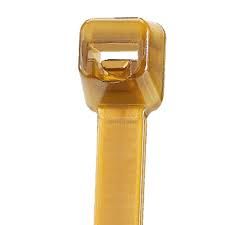
Cable Ties Unlimited offers PEEK High-Performance Cable Ties, an excellent option for medical and clean-room environments. Manufactured from polyetheretherketone, these ties resist temperatures up to 500 °F, making them compatible with sterilization methods. They are also low-outgassing and particle-resistant, ideal for clean-rooms.
The ties deliver strong tensile strength, ensuring bundles remain secure under stress. Their smooth surface reduces particle generation, while their chemical resistance withstands solvents and cleaners used in sterile facilities. For medical devices or clean-room equipment, these ties offer unmatched reliability.
Technicians appreciate their combination of strength, cleanliness, and compliance. In spaces where failure is not an option, PEEK ties provide safety and peace of mind.
Avoiding Common Mistakes
Mistakes in medical and clean-room cable management can compromise safety. One mistake is using general-purpose ties. These may work temporarily but degrade quickly under sterilization or cleaning. Another mistake is improper cutting, leaving sharp edges that generate particles.
Mixing materials is also risky. Using ties not rated for clean-rooms alongside rated ties creates contamination points. Consistency ensures safety. Documentation is equally important. Failing to track which materials were used can create compliance problems during audits.
Cost Versus Value
Medical and clean-room cable ties cost more than standard nylon versions. However, their value lies in compliance and safety. A contaminated clean-room batch or compromised medical device costs far more than specialized ties.
In the U.S., where regulatory compliance is strictly enforced, investing in proper ties saves money in the long run. The cost of prevention is always less than the cost of correction.
Maintenance and Inspection
Regular inspection is essential. In hospitals, technicians should check ties during equipment servicing. Any sign of wear, cracking, or discoloration requires immediate replacement. In clean-rooms, inspections ensure ties remain intact after cleaning cycles.
Documentation of inspections supports compliance with FDA and ISO requirements. Records also help track tie longevity and predict replacement cycles. Proactive maintenance reduces risks and ensures continuous safety.
The Future of Medical and Clean-Room Cable Ties
Innovation continues in cable tie design. Future versions may include antimicrobial additives that actively kill bacteria. Others may feature embedded RFID tags for tracking equipment in real time.
Eco-friendly options are also emerging. Biodegradable polymers may provide performance while reducing environmental impact. In the U.S., where sustainability is growing in importance, green solutions will expand.
Smart ties are another possibility. These could monitor tension or environmental exposure, alerting technicians when replacement is needed. This proactive approach would enhance both safety and efficiency.
Conclusion
Cable ties in medical and clean-room environments are not ordinary fasteners. They are critical tools that protect patients, preserve sterile environments, and support compliance. Using the right materials, proper installation, and ongoing maintenance ensures both safety and reliability.
Products like the PEEK high-performance cable ties from Cable Ties Unlimited provide the strength, cleanliness, and compliance required for these demanding environments. They resist sterilization, prevent contamination, and deliver peace of mind in spaces where failure is unacceptable.
In hospitals, laboratories, and clean-rooms across the United States, safe use of cable ties protects lives, equipment, and operations. Choosing the right tie is not a minor detail—it is a critical decision for safety and compliance.
For more insights and tips on cable ties and other related products, explore cabletiesunlimited.com, get a quick and free quote, and follow us on our social media communities on Facebook and Instagram!