Cable ties are built for strength, organization, and reliability. They hold cables together, secure wiring to surfaces, and manage bundles in almost every industry. But extreme heat introduces a challenge. In manufacturing plants, data centers, and even vehicles, cable ties can melt. When this happens, removing them safely becomes critical.
Melted ties fuse to cables, making removal tricky. Pulling or cutting too aggressively risks damaging insulation. Damaged insulation can lead to electrical shorts, performance issues, or safety hazards. Removing melted ties without damaging cables requires patience, the right tools, and smart techniques.
This guide explains why cable ties melt, the risks they pose, and step-by-step methods to remove them. It also highlights products designed to withstand high temperatures so future projects avoid this problem altogether.
Why Cable Ties Melt
Most cable ties are made from nylon 6/6. While durable and flexible, nylon softens under heat. Standard ties usually handle temperatures up to 185 °F. In environments where heat exceeds this threshold, ties may warp, soften, or melt.
Common causes of melted ties include:
High ambient heat: Manufacturing plants, foundries, or server rooms generate constant heat.
Direct contact with hot components: Engine parts or industrial equipment can radiate extreme temperatures.
Electrical overloads: Overheating wires can transfer heat to nearby ties.
Fires or sparks: Accidental exposure to flames melts ties instantly.
When ties melt, they bond tightly to cable insulation, creating a sticky, hardened mess.
Risks of Melted Ties
Removing a melted tie the wrong way can cause serious problems.
Cable damage: Cutting too close can nick insulation.
System failure: Damaged insulation may cause short circuits.
Safety hazards: Exposed wires risk fires or shocks.
Downtime: Replacing damaged cables costs time and money.
These risks make careful removal essential, especially in critical industries like aerospace, telecom, or healthcare.
Step-by-Step: Removing Melted Ties
1. Assess the Damage
Before starting, examine the cable bundle. Determine how many ties melted and how much material fused to the cables. In some cases, replacing the entire section of cable is safer than removal.
2. Prepare Tools
Gather safe tools designed for precision. Recommended tools include:
Flush cutters with narrow tips
Cable tie removal tools
Plastic scrapers or spudgers
Isopropyl alcohol and wipes
Heat gun or hair dryer for controlled softening
Avoid knives or box cutters. Their sharp edges increase the risk of insulation cuts.
3. Soften the Tie (If Necessary)
If the tie hardened in place, apply gentle heat with a heat gun or hair dryer. This softens the material slightly, making it easier to scrape or lift away. Be careful not to overheat the cable itself.
4. Scrape Carefully
Use a plastic scraper or spudger to separate melted plastic from the cable. Work slowly, lifting small sections at a time. Avoid metal tools unless working on armored cables.
5. Cut Residue in Layers
For thick melted sections, use flush cutters to trim away excess material. Work in layers rather than attempting one large cut. This reduces pressure on the cable insulation.
6. Clean the Surface
After most of the tie is removed, use isopropyl alcohol on a cloth or wipe to dissolve remaining residue. Alcohol evaporates quickly, leaving no moisture behind. For sticky or burnt sections, multiple passes may be required.
7. Inspect Cables
Once the tie is removed, inspect the insulation. Look for nicks, abrasions, or signs of heat damage. If insulation appears compromised, replace the cable before reuse.
Tools That Make a Difference
Flush Cutters
Flush cutters leave smooth edges and allow precise cutting around delicate insulation. They are essential when ties are fused tightly to cables.
Removal Tools
Specialized removal tools slip under the tie head or residue, protecting cables while cutting. They are useful in tight bundles where flush cutters cannot reach.
Heat Guns
Controlled heat helps soften hardened plastic without damaging cables. Low settings should always be used, with constant motion to avoid hotspots.
Alcohol Wipes
Alcohol cleans adhesive-like residue left behind by partially melted ties. They are safe for most insulation types and prevent future dirt buildup.
Preventing Melted Ties
The best way to deal with melted ties is to prevent them. Choosing the right tie material for the environment makes all the difference.
Heat-Stabilized Nylon
Heat-stabilized nylon ties resist higher temperatures, often up to 250 °F. They are suitable for hot industrial environments where standard nylon fails.
Fluoropolymer Ties
Materials like ETFE and PVDF handle both high heat and chemicals. These ties are ideal for aerospace or chemical processing facilities.
Stainless Steel Ties
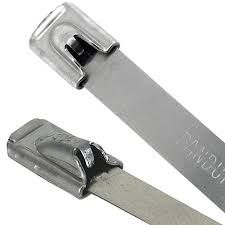
For extreme heat, stainless steel cable ties are unmatched. They withstand temperatures far beyond nylon’s limits, making them reliable in foundries, automotive plants, and refineries.
Installation Best Practices
Keep ties away from heat sources when possible.
Use spacing or mounts to reduce direct heat exposure.
Avoid over-tightening, which increases stress under heat.
Industry Applications
Data Centers
In server rooms, overheating cables can transfer heat to ties. Using heat-stabilized or plenum-rated ties reduces melting risks.
Automotive
Under-hood wiring faces constant heat from engines. Cold-rated nylon may crack, while heat-resistant nylon or stainless steel performs better.
Manufacturing
Plants with ovens, furnaces, or welders expose ties to high heat daily. Only stainless steel or high-performance plastics can survive here.
Aerospace
Aircraft wiring experiences both extreme heat and cold. High-performance ties certified for aerospace use are essential.
Product Review: Stainless Steel Cable Ties
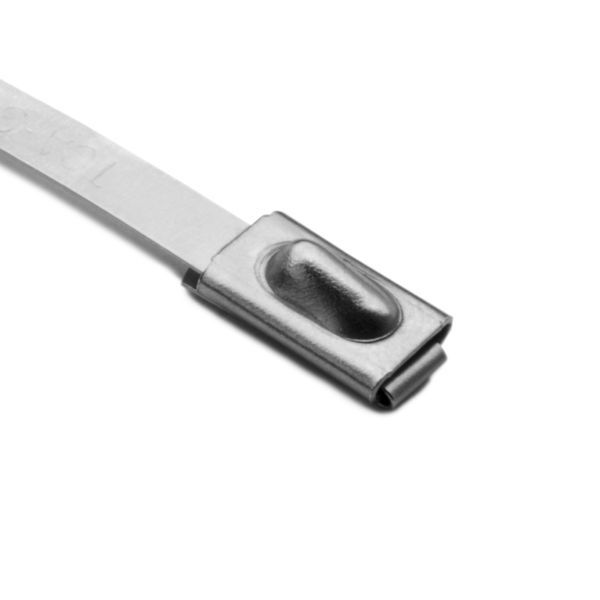
Cable Ties Unlimited provides Stainless Steel Cable Tiesbuilt for extreme environments. Resistant to temperatures that melt nylon, these ties maintain strength in both heat and cold.
Made from corrosion-resistant stainless steel, they provide long-term durability in industries like oil and gas, aerospace, and automotive. Their ball-locking mechanism ensures quick, secure installation. Rounded edges protect cable insulation, preventing abrasion.
For projects where melted ties have been a recurring problem, stainless steel versions eliminate the risk. They deliver the reliable performance that standard nylon cannot match under heat stress.
Mistakes to Avoid
Using the wrong tool: Knives risk cutting insulation.
Overheating cables: Heat guns must be kept moving to prevent damage.
Ignoring inspection: Even if the tie is removed, cables may already be damaged.
Reusing compromised cables: Replacing damaged wires is safer than repairing.
Long-Term Value of Heat-Resistant Ties
Heat-resistant ties may cost more upfront, but they save time and prevent failures. Every melted tie removed is a reminder that standard nylon is not always the right choice. Stainless steel or high-performance plastics ensure cables remain secure and protected.
In critical industries, downtime from cable damage costs far more than investing in better materials from the start.
Future of Cable Tie Materials
Research continues into advanced polymers that resist both heat and environmental stress. Hybrid materials may soon offer the flexibility of nylon with the resilience of stainless steel.
Self-monitoring ties that indicate when exposed to excess heat may also emerge. These smart designs would alert technicians before melting occurs.
Sustainable materials are another frontier. Heat-resistant ties that are recyclable or biodegradable would combine performance with environmental responsibility.
Conclusion
Removing melted cable ties without damaging cables requires patience, precision, and the right tools. Scraping, controlled heat, and alcohol cleaning help eliminate residue while protecting insulation. But prevention is always better than repair.
Choosing heat-stabilized nylon, fluoropolymers, or stainless steel ties ensures cables remain secure even in extreme heat. Products like Stainless Steel Cable Ties from Cable Ties Unlimited eliminate the risk of melted ties entirely.
For U.S. industries where safety and reliability matter, investing in heat-resistant ties is the smart choice. With proper materials and safe removal techniques, cables stay protected no matter how hot the environment gets.
For more insights and tips on cable ties and other related products, explore cabletiesunlimited.com, get a quick and free quote, and follow us on our social media communities on Facebook and Instagram!
written By
Kyle Hinckley
Kyle Hinckley is a cable management specialist with over 15 years of experience in industrial and commercial
applications. He has helped hundreds of businesses optimize their cable infrastructure and improve workplace
organization.
About Cable Ties Unlimited
Cable Ties Unlimited represent one of the most cost-effective solutions for organization, repairs, and creative projects.
By thinking beyond their traditional use for cable management, you can discover hundreds of applications that
will save you time and money.
Get Expert Cable Management Tips
Join 10,000+ professionals receiving our weekly newsletter with industry insights, product guides, and
exclusive offers.


 Most cable ties are made from nylon 6/6. While durable and flexible, nylon softens under heat. Standard ties usually handle temperatures up to 185 °F. In environments where heat exceeds this threshold, ties may warp, soften, or melt.
Common causes of melted ties include:
Most cable ties are made from nylon 6/6. While durable and flexible, nylon softens under heat. Standard ties usually handle temperatures up to 185 °F. In environments where heat exceeds this threshold, ties may warp, soften, or melt.
Common causes of melted ties include: