Water is one of the most damaging elements for electrical connections. When moisture enters a wire nut, it corrodes conductors, weakens contact surfaces, and increases the risk of failure. These issues grow worse in outdoor or damp environments where freeze–thaw cycles can push water deeper into the connection.
This guide explains practical ways to prevent water ingress in wire nut connections. It focuses on proper preparation, correct installation, protection methods, and long-term maintenance suited for demanding field conditions.
Why Water Ingress Threatens Wire Nut Reliability
A wire nut depends on clean, tight metal-to-metal contact. Water disrupts this contact. Moisture corrodes copper, increases resistance, and weakens insulation around the wiring.
In outdoor and high-humidity locations, water intrusion becomes a recurring threat that requires deliberate prevention.
Corrosion of Conductors
Moisture accelerates corrosion on copper or aluminum wires.
Corroded surfaces lose conductivity and weaken the integrity of the joint.
Increased Electrical Resistance
Water inside the wire nut changes how current flows.
Higher resistance generates heat, which stresses insulation and reduces lifespan.
Freeze–Thaw Expansion
Water expands when frozen.
This movement widens openings and forces water deeper into the connection.
Where Water Commonly Enters Wire Nut Connections
Understanding how water moves helps you block entry points effectively. Water can drip, wick, or collect near any exposed wiring.
Identify these weak areas to improve protection.
Entry Through the Wire Nut Base
Gaps at the base of a wire nut create an easy path for moisture.
Water enters through these small openings and settles against the conductors.
Damaged or Poorly Installed Insulation
Cracked jackets and poorly stripped wires allow water to wick into the connection.
Moisture travels along conductors and bypasses the nut entirely.
Junction Boxes Without Seals
Outdoor boxes exposed to rain or snow collect moisture on the inside.
Water pools near wire nuts and increases corrosion risk.
Preparing Wires for Safe, Moisture-Resistant Connections
Water protection starts before the wire nut is installed. Clean, dry preparation gives the connection a stronger foundation.
Simple steps significantly improve long-term performance.
Clean the Conductor Ends
Remove oxidation, dirt, or debris from exposed wire ends.
Clean metal improves contact and slows corrosion.
Dry the Wires Completely
Never install a wire nut on wet wires.
Moisture trapped inside increases resistance and encourages corrosion.
Strip Wires to the Correct Length
Excess bare copper increases moisture exposure.
Strip only what the wire nut requires for proper engagement.
Choosing the Right Wire Nut for Damp or Wet Locations
Wire nuts are not all the same. Some include sealing compounds or designed-in water protection.
Selecting the right type reduces the chance of water ingress in harsh environments.
Use Weather-Resistant Wire Nuts
Weather-resistant nuts include features designed for outdoor use.
These nuts seal the connection more effectively during rain or snow.
Use Gel-Filled or Sealant-Filled Wire Nuts
Gel-filled connectors block moisture from entering the base.
The gel surrounds conductors and maintains performance even when exposed to water.
Match the Wire Nut Size to the Conductors
Incorrectly sized nuts leave gaps at the base.
Always choose the correct size to ensure a tight fit.
Installing Wire Nuts to Prevent Water Ingress
Installation technique matters as much as material choice. A well-installed wire nut forms a strong mechanical and moisture barrier.
These practices help prevent water entry during field installations.
Pre-Twist Wires for Stronger Contact
Pre-twisting ensures a compact bundle.
A compact bundle seals tighter when the wire nut is applied.
Twist the Wire Nut Firmly
Apply steady pressure and twist until the nut seats fully.
A tight seal at the base reduces moisture paths.
Position the Wire Nut Above Water Line
Always install wire nuts in locations that avoid pooling water.
Elevation reduces the chance of moisture collecting around the connection.
Adding Protective Layers to Keep Water Out
Protection does not end with installation. Additional layers help reinforce wire nut seals and reduce long-term water ingress.
Use winter-ready and outdoor-safe accessories.
Use Protective Tape
Wrap weather-rated tape around the wire nut base.
A tight wrap blocks water from entering gaps.
Add Heat-Shrink Tubing
Heat-shrink creates a durable moisture barrier.
Use tubing rated for outdoor and cold-weather use.
Install Splash Shields or Covers
Shields deflect rain and limit water pooling.
These covers help in open or unprotected areas.
Helpful Protection Options
• Gel-filled connectors for moisture-prone locations
• Heat-shrink tubing for added insulation and sealing
Protecting Wire Nuts in Winter Conditions
Cold weather creates additional moisture problems. Ice forms, melts, and refreezes around exposed wiring.
These conditions push water deeper into vulnerable areas.
Prevent Ice Formation Near the Connection
Keep wire nuts away from roof edges, gutters, or drip zones.
Ice formation increases ingress risk.
Use Cold-Rated Materials
Cold-rated nuts and sealants maintain flexibility in extreme temperatures.
Flexible materials seal more effectively in winter.
Avoid Mounting Near Standing Snow
Snow traps moisture against wire nuts.
Choose mounting points where snow does not accumulate.
Regular maintenance prevents long-term water damage. Inspect connections during seasonal changes and after storms.
Early detection reduces failure risks.
Check for Discoloration or Corrosion
Early corrosion appears as dark spots or powder.
Replace affected wire nuts before performance drops.
Confirm the Tightness of the Nut
Temperature changes may loosen a wire nut.
Retighten gently if you notice movement.
Inspect Protective Layers
Tape, covers, or heat-shrink may degrade over time.
Replace worn protection before moisture enters.
If moisture enters the connection, take immediate action. Prompt repairs prevent greater damage.
Use safe practices to restore insulation and electrical integrity.
Remove the Wire Nut and Inspect the Wires
Check for corrosion, swelling, or discoloration.
Corroded wires require trimming or replacement.
Dry the Connection Thoroughly
Dry the conductors with safe, controlled heat.
Do not reinstall the wire nut until all moisture is gone.
Designing Systems With Water-Resistant Connections
Good design prepares wiring for wet conditions. Building moisture resistance into the layout reduces reliance on repair.
Plan for proper drainage and controlled wiring paths.
Route Wires Away From Water Lines
Avoid routing wiring near gutters, pipes, or low spots.
Better routing reduces exposure to water accumulation.
Use Conduit for Long Runs
Conduit provides a protective barrier against water.
It also helps direct wiring away from hazardous zones.
Elevate Outdoor Junction Boxes
Elevation reduces the risk of standing water collecting inside boxes.
Higher placements offer better drainage and long-term safety.
Common Mistakes That Lead to Water Ingress
Avoiding common mistakes strengthens water protection. Poor technique or unsuitable materials often invite moisture intrusion.
Correcting these issues improves long-term reliability.
Leaving Gaps at the Wire Nut Base
Even small gaps permit water entry.
Always ensure the nut seats tightly against insulation.
Failing to Seal Outdoor Boxes
Openings in boxes allow rain and snow to flow inside.
Seal all conduit entries and unused knockouts.
A simple prevention plan keeps connections dry year-round.
This plan should include inspection, preparation, and replacement.
Key Elements of a Prevention Plan
Inspect connections seasonally, replace worn protection, use gel-filled nuts for wet zones, and correct routing issues promptly.
Training staff on proper sealing techniques improves consistency.
Final Thoughts
Water is one of the biggest threats to wire nut performance. Moisture causes corrosion, raises resistance, and weakens electrical integrity. With proper preparation, correct installation, protective methods, and regular inspection, wire nut connections remain safe and reliable in any environment.
Following these practices protects connections from water intrusion and ensures long-term durability.
For more insights and tips on cable ties and other related products, explore cabletiesunlimited.com, get a quick and free quote, and follow us on our social media communities on Facebook and Instagram!
written By
Kyle Hinckley
Kyle Hinckley is a cable management specialist with over 15 years of experience in industrial and commercial
applications. He has helped hundreds of businesses optimize their cable infrastructure and improve workplace
organization.
About Cable Ties Unlimited
Cable Ties Unlimited represent one of the most cost-effective solutions for organization, repairs, and creative projects.
By thinking beyond their traditional use for cable management, you can discover hundreds of applications that
will save you time and money.
Get Expert Cable Management Tips
Join 10,000+ professionals receiving our weekly newsletter with industry insights, product guides, and
exclusive offers.


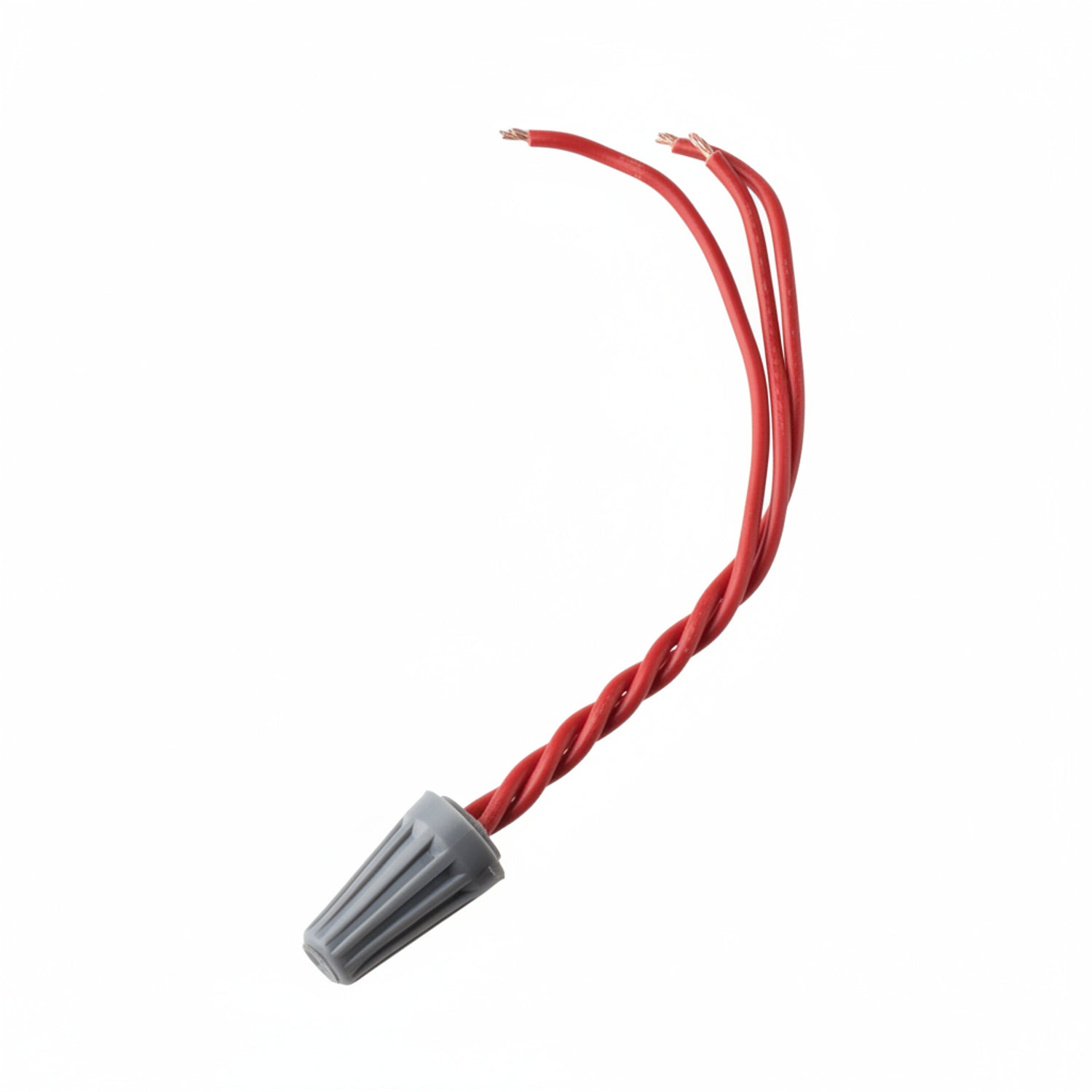 Water protection starts before the wire nut is installed. Clean, dry preparation gives the connection a stronger foundation.
Simple steps significantly improve long-term performance.
Water protection starts before the wire nut is installed. Clean, dry preparation gives the connection a stronger foundation.
Simple steps significantly improve long-term performance.