


Cables run everywhere in modern infrastructure. They power lights, connect networks, and keep machines running. In high-traffic areas, these cables face unique risks. People, equipment, and constant motion create hazards. Without protection, snagging and abrasion damage cables, shorten their life, and increase downtime.
Preventing these issues requires planning, proper installation, and the right tools. Cable ties, protective sheathing, and routing techniques all play critical roles. In the United States, where industries rely on uninterrupted power and data, protecting cables in busy environments is essential for safety and performance.
Why Snagging and Abrasion Happen
Snagging occurs when objects catch on exposed cables or bundles. This happens in hallways, factory floors, or near equipment where workers move constantly. Abrasion results when cables rub against surfaces or each other. Over time, friction wears down insulation.
High-traffic areas increase both risks. Shoes, carts, forklifts, and maintenance tools all interact with wiring. Even routine cleaning equipment can snag unprotected cables. In such environments, abrasion and snagging are not occasional accidents—they are everyday threats.
The Risks of Damage
Damaged cables compromise both safety and performance. A snag can pull a connector loose, shutting down equipment. Abrasion can strip insulation, exposing conductors. Exposed conductors create shock hazards, sparks, and fire risks.
Downtime is another cost. When cables fail, repairs require time, labor, and sometimes full system shutdowns. In U.S. industries where uptime is critical, such as healthcare and logistics, even small interruptions create massive losses. Preventing damage is always cheaper than fixing it later.
Best Practices for Preventing Snagging
The first line of defense against snagging is routing. Cables should run along walls, ceilings, or under raised flooring whenever possible. Exposed runs in walking paths invite accidents.
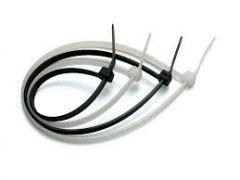
Bundling also matters. Loose cables are more likely to catch on passing objects. Secure bundles reduce snagging points. Using low-profile cable ties minimizes protrusions that can hook onto clothing or tools. Rounded-edge designs further reduce snag risk.
Covering cables adds another layer of protection. Raceway systems, conduit, or cable trays shield bundles from external contact. While more expensive than open routing, these systems pay for themselves by eliminating constant repairs.
Best Practices for Preventing Abrasion
Abrasion happens wherever cables move against surfaces. To prevent it, technicians must control both movement and contact points. Bundles should be fastened securely with proper spacing to reduce shifting.
Protective sheathing, such as spiral wrap or braided sleeving, provides a barrier between cables and rough surfaces. Abrasion-resistant materials absorb friction, protecting insulation. Using ties with smooth interiors also prevents internal abrasion, where ties cut into cable jackets over time.
In high-traffic U.S. facilities, abrasion is often overlooked until failure occurs. Proactive use of protective coverings ensures cables remain intact even under constant motion and contact.
Tools and Accessories
Preventing snagging and abrasion requires more than cable ties alone. Accessories improve performance.
-
Cable tie mounts: Secure bundles against walls, ceilings, or panels
-
Spiral wrap: Adds flexible abrasion resistance for moving bundles
-
Braided sleeving: Protects against abrasion and allows airflow
-
Raceway systems: Shield exposed wiring from traffic
-
Low-profile ties: Minimize snagging risks with rounded designs
These tools, when used together, create a failsafe system for high-traffic areas.
Materials That Perform Best
Material selection plays a major role. Nylon 6/6 ties provide strength for general use but may degrade under heavy abrasion. Stainless steel ties offer superior durability in industrial environments. For outdoor areas, UV-resistant nylon prevents weakening from sunlight.
Protective sheathing materials also matter. Polyethylene spiral wrap offers flexibility, while PET braided sleeving provides high abrasion resistance. In U.S. industries, choosing the right material for the environment determines long-term success.
Installation Practices
Improper installation increases snagging and abrasion. Overtightened ties pinch cables, making them more vulnerable to wear. Loose ties allow bundles to shift and rub. Consistent, moderate tension applied with proper tools prevents both extremes.
Spacing matters too. Ties placed too closely create rigid bundles that strain against connectors. Wider spacing allows controlled flexibility while maintaining organization. Routing bundles along smooth paths instead of sharp corners reduces friction. Installation technique directly impacts cable longevity.
Maintenance and Inspection
Even the best installations require ongoing maintenance. In high-traffic areas, technicians should inspect bundles regularly for wear, fraying, or exposed conductors. Any sign of damage requires immediate replacement to prevent hazards.
Documenting inspections ensures compliance with U.S. safety regulations. OSHA and the NEC require safe electrical installations, and records provide proof during audits. Proactive replacement prevents accidents and avoids costly downtime.
Product Review: Low-Profile Cable Ties from Cable Ties Unlimited

Cable Ties Unlimited supplies multiple products designed for high-traffic areas. One of the most effective is their Low-Profile Nylon Cable Tie.
These ties feature a rounded, flat head that sits close to the bundle, reducing snag points. Made from durable nylon 6/6, they provide strong tensile strength while protecting insulation. The smooth edges prevent abrasion, making them ideal for environments with constant contact.
Technicians appreciate the combination of strength and safety. The low-profile design minimizes protrusions that catch on clothing or tools, while the smooth body prevents cable damage over time. For U.S. facilities that demand both safety and organization, these ties are a reliable solution.
Compliance and Regulations
In the United States, compliance matters as much as performance. OSHA regulations require safe wiring installations. The NEC outlines best practices for preventing hazards such as abrasion and exposure. Using protective measures ensures compliance while protecting workers and equipment.
Auditors and inspectors look for organized, protected wiring in high-traffic areas. Low-profile ties, protective sleeving, and secure routing show a commitment to safety. Compliance reduces liability and protects both facilities and employees.
Cost Versus Value
Protecting cables from snagging and abrasion costs less than repairing damage. A single outage in a U.S. hospital, factory, or data center may cost thousands of dollars per minute. The cost of protective ties and accessories is negligible compared to downtime losses.
Over time, proactive protection reduces replacement frequency. Durable materials last longer, saving both labor and material costs. Investment in prevention always creates long-term value.
The Future of Cable Protection
Cable management is evolving with technology. Future protective systems may include smart ties with embedded sensors that detect strain or wear. These ties could alert technicians before snagging or abrasion causes failure.
Eco-friendly options are also on the horizon. Recyclable and biodegradable materials may replace traditional plastics, combining safety with sustainability. As U.S. industries embrace green practices, cable protection will follow suit.
Conclusion
High-traffic areas create constant risks for cables. Snagging and abrasion shorten cable life, increase downtime, and create safety hazards. Preventing these problems requires careful routing, proper installation, and protective tools.
Products like the low-profile nylon ties from Cable Ties Unlimited demonstrate how small design improvements create big safety benefits. Their strength, smooth finish, and reduced snag profile make them ideal for protecting bundles in busy environments.
For U.S. industries where safety and uptime are critical, preventing snagging and abrasion is not optional. It is the foundation of safe, efficient, and compliant cable management.
For more insights and tips on cable ties and other related products, explore cabletiesunlimited.com, get a quick and free quote, and follow us on our social media communities on Facebook and Instagram!