Cable ties are the unsung heroes of every electrical, construction, and industrial setup. They hold cables neatly in place, protect wiring systems, and maintain order in complex installations. Yet over time, even the toughest cable ties can degrade. This gradual decline — known as material aging — can affect their strength, flexibility, and overall performance.
Understanding how and why cable ties age helps professionals make smarter material choices and avoid costly system failures. From exposure to sunlight to chemical reactions within the material itself, several factors determine how long a cable tie will last.
This guide explores what causes cable tie aging, how it affects performance, and the best ways to prevent it through material selection and proper application.
Understanding Material Aging in Cable Ties
Material aging refers to the chemical and physical changes that occur in a polymer over time. Cable ties, especially those made from nylon (polyamide), naturally undergo gradual degradation when exposed to environmental stressors like heat, humidity, and UV radiation.
Even under ideal conditions, polymers slowly lose elasticity and molecular integrity. Add real-world factors — outdoor exposure, temperature swings, or chemical contact — and the process accelerates.
While the average lifespan of a standard nylon cable tie can range from one to five years, its durability depends heavily on environmental conditions and maintenance.
The Science Behind Cable Tie Degradation
Cable ties are typically made from Nylon 6/6, a durable thermoplastic known for high tensile strength and flexibility. However, like most polymers, nylon is hygroscopic — it absorbs moisture from the air — and sensitive to ultraviolet radiation.
Over time, these environmental influences break down polymer chains, causing:
Embrittlement: Loss of flexibility, leading to cracks or breaks under stress.
Discoloration: A visual indicator of oxidation or UV damage.
Reduced tensile strength: The tie may snap under tension far below its rated capacity.
Creep deformation: Slow stretching or sagging under continuous load.
When combined with thermal cycling (repeated heating and cooling), this molecular wear becomes even more pronounced, reducing lifespan dramatically.
Learn more:Cable Ties: Abrasion and Cut Resistance
Key Causes of Material Aging
1. UV Radiation
Sunlight is one of the most destructive forces for polymers. UV radiation triggers photo-oxidative degradation, breaking molecular bonds and generating free radicals within the nylon.
This process results in a brittle surface and faded color — the classic “chalky” look of old cable ties. Black cable ties often last longer because they contain carbon black, a UV stabilizer that absorbs and dissipates harmful radiation.
For outdoor installations, UV-resistant cable ties are essential to prevent premature aging.
2. Temperature Extremes
Thermal cycling — frequent heating and cooling — accelerates molecular fatigue. When nylon expands and contracts repeatedly, microscopic cracks form, weakening the structure over time.
High heat (above 185°F / 85°C) can soften or distort the material, while subzero temperatures make it brittle. Both extremes reduce flexibility and lifespan.
Solution: For applications exposed to wide temperature ranges, consider weather-resistant or stainless steel cable ties, which maintain integrity across harsh environments.
3. Moisture and Humidity
Nylon 6/6 naturally absorbs moisture — up to 2.5% of its weight at room temperature and 50% humidity. This water uptake temporarily increases flexibility but also affects dimensional stability and long-term performance.
In humid or wet environments, absorbed water can act as a plasticizer, reducing tensile strength. Prolonged exposure may also lead to hydrolysis, where polymer chains chemically break down in the presence of water and heat.
Tip: Store cable ties in a dry, sealed container before installation to maintain their rated performance.
4. Chemical Exposure
Certain chemicals — especially acids, bases, and organic solvents — attack nylon and other polymers. Oils, fuels, and cleaning agents can accelerate oxidation or leach out stabilizing additives.
Cable ties installed in automotive, marine, or industrial environments face this risk more frequently. Over time, affected ties may lose gloss, swell, or crumble.
Solution: Use chemical-resistant materials, such as polypropylene, ETFE (Ethylene Tetrafluoroethylene), or stainless steel cable ties, in chemically active settings.
5. Mechanical Stress and Over-Tensioning
Cable ties under constant load can experience creep — a slow, irreversible deformation under tension. Over-tightening ties during installation increases internal stress, making them more vulnerable to cracking as they age.
Even small vibrations, like those in machinery or vehicles, can worsen fatigue. Proper tensioning and support mounts can significantly reduce this mechanical aging effect.
Recognizing the Signs of Aging Cable Ties
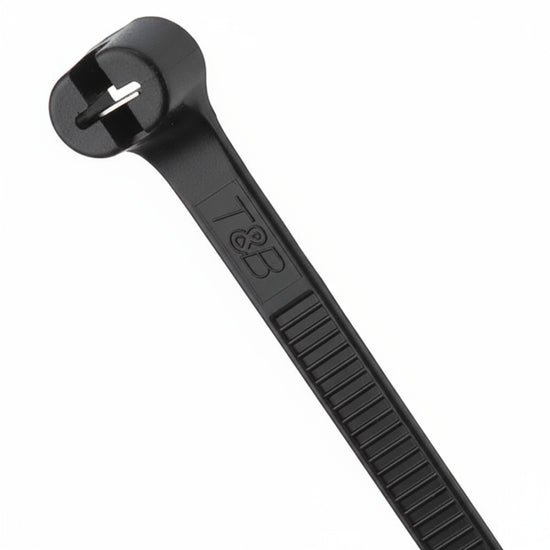
Material degradation doesn’t happen overnight, but regular inspection helps detect early warning signs:
Visible cracking or fraying along the body or head.
Color fading (especially from black to gray or chalky white).
Loss of flexibility — the tie snaps instead of bending.
Reduced clamping force — cables shift or slide easily.
Surface powdering — evidence of UV or oxidation damage.
Replacing cable ties at the first signs of wear prevents costly downtime or system damage.
How to Prevent Material Aging
1. Select the Right Material
The best defense against material aging begins with the right choice of cable tie.
Nylon 6/6 (Standard): Strong, flexible, and cost-effective for indoor use.
UV-Resistant Nylon: Contains carbon black additives for outdoor durability.
Weather-Resistant Nylon: Maintains flexibility in cold or fluctuating temperatures.
Polypropylene: Resists acids, moisture, and alkalis for chemical environments.
ETFE and PEEK Ties: Excellent for extreme heat, radiation, and chemical exposure.
Stainless Steel: Non-corrosive and unaffected by UV or temperature; ideal for harsh outdoor or marine conditions.
Matching material to environment ensures long-term stability.
2. Use Protective Coatings or Sleeving
Where replacement is difficult, an added layer of protection can slow degradation. Coatings or sleeving shields ties from direct sunlight, abrasion, and chemicals.
Heat shrink tubing is often used to cover exposed cable bundles and ties, providing a moisture-tight seal and UV protection.
3. Proper Installation Practices
Improper installation accelerates wear. Always:
Avoid over-tightening.
Use a tensioning tool for consistent results.
Keep ties away from sharp edges or vibration points.
Allow for thermal expansion in long cable runs.
A clean, tension-controlled installation not only improves aesthetics but also extends service life.
4. Store Ties Correctly
Even before installation, nylon ties can begin to age if stored poorly. Moisture absorption or heat exposure shortens shelf life.
Best storage practices include:
Keep ties in their original, sealed packaging.
Store at room temperature (60°F–80°F) and below 60% humidity.
Avoid direct sunlight or hot warehouse shelves.
Following these steps preserves flexibility and tensile strength until use.
5. Scheduled Maintenance and Replacement
In mission-critical systems — such as telecom networks, aircraft wiring, or outdoor lighting — routine inspections are essential.
Experts recommend replacing standard nylon cable ties every 2–3 years, or sooner if installed outdoors. For long-term reliability, use UV-stabilized or metal ties in high-exposure areas.
Industry Examples: Material Aging in Action
Telecommunications
Outdoor cable runs exposed to sunlight and rain often see ties fail within months if standard nylon is used. Upgrading to UV-resistant nylon or stainless steel ties prevents costly service interruptions.
Automotive and Transport
Under-hood cable ties endure high temperatures, oil, and vibration. Heat-stabilized nylon or ETFE ties prevent premature cracking or softening.
Renewable Energy
Solar farms and wind installations face continuous UV and temperature exposure. Black weather-resistant cable ties maintain integrity for years, ensuring secure wiring in remote locations.
Food and Chemical Processing
Facilities using sanitizing agents or solvents often see chemical degradation. Polypropylene or stainless steel ties offer superior resistance and hygiene compliance.
The Role of Additives in Longevity
Modern engineering has made cable ties far more durable than early versions. Additives and stabilizers play a key role in resisting environmental stress:
UV absorbers: Protect against sunlight damage.
Antioxidants: Delay thermal oxidation and chain scission.
Heat stabilizers: Improve performance under continuous high temperatures.
Flame retardants: Reduce risk of ignition without compromising strength.
These formulations allow manufacturers like HellermannTyton and others to produce specialized cable ties suited for every application — from deep-sea rigs to Arctic installations.
The Cable Ties Unlimited Advantage
At Cable Ties Unlimited, we understand that durability starts with design. That’s why our catalog includes weather-resistant, UV-stabilized, and chemical-resistant cable ties for every condition.
We stock thousands of products from trusted brands such as HellermannTyton, Thomas & Betts, and Panduit, ready to ship within 24 hours.
Whether you’re securing network cables in an office or maintaining power systems in harsh outdoor environments, our team can help you choose the right material for lasting performance.
Contact us at info@cabletiesunlimited.com or call (866) 998-0749 to speak with a cable management specialist.
Final Thoughts
Material aging in cable ties isn’t just a slow loss of strength — it’s a process that can compromise safety, reliability, and performance across entire systems. Understanding how materials respond to light, heat, and stress allows professionals to make informed choices that extend product life and prevent downtime.
By combining quality materials, protective measures, and proper installation, you can keep your cable management systems strong, clean, and compliant — year after year.
For more insights and tips on cable ties and other related products, explore cabletiesunlimited.com, get a quick and free quote, and follow us on our social media communities on Facebook and Instagram.
written By
Kyle Hinckley
Kyle Hinckley is a cable management specialist with over 15 years of experience in industrial and commercial
applications. He has helped hundreds of businesses optimize their cable infrastructure and improve workplace
organization.
About Cable Ties Unlimited
Cable Ties Unlimited represent one of the most cost-effective solutions for organization, repairs, and creative projects.
By thinking beyond their traditional use for cable management, you can discover hundreds of applications that
will save you time and money.
Get Expert Cable Management Tips
Join 10,000+ professionals receiving our weekly newsletter with industry insights, product guides, and
exclusive offers.


 Material degradation doesn’t happen overnight, but regular inspection helps detect early warning signs: