


Climbing plants bring life and beauty to walls, fences, trellises, and pergolas. Whether you’re growing fragrant jasmine, vibrant bougainvillea, or practical grapevines, these plants need guidance to grow where you want them. Left unchecked, vines often sprawl across the ground, wrap around the wrong supports, or become tangled in themselves. Training them properly not only helps them thrive but also enhances your outdoor space.
Zip ties, also called cable ties, are one of the simplest and most effective tools for training climbing plants. They’re strong enough to hold vines in place yet gentle when applied correctly. Unlike string or wire, they don’t fray, rust, or cut into stems as easily. With a pack of zip ties and a little patience, you can transform unruly growth into a neat, structured display.
Why Training Climbing Plants Matters
Climbing plants rely on external support because their stems are not sturdy enough to stand alone. Without training, vines can sprawl across the ground, leaving them vulnerable to pests and damage. They may strangle other plants by wrapping tightly around them, or tangle themselves so badly that sunlight fails to reach all parts of the foliage. Growth often becomes messy and unbalanced, reducing the plant’s natural appeal.
Guided growth ensures plants climb upward toward light and along surfaces where their beauty can shine. It also encourages healthier development by improving airflow and giving flowers and fruit more space to flourish.
Why Zip Ties Are Ideal for Training Plants

Gardeners have long used twine, wire, and clips to manage vines, but zip ties offer a level of practicality that’s hard to beat. They provide impressive strength, capable of holding heavy vines such as wisteria. They’re weather-resistant, meaning they last longer than string or twine, and they come in various sizes to suit thin stems or thicker branches. Applying them is simple, with no knots to tie or tools to master. Best of all, clear or green ties blend discreetly into the foliage, keeping your display tidy.
Getting Started: Tools and Materials
To begin, you’ll need a supply of UV-resistant zip ties, preferably in green or clear shades that merge into your plants. Keep a pair of scissors or pruning shears nearby for trimming ends, and wear gloves for protection, especially when handling thorny vines. You’ll also need a sturdy support structure—this might be a trellis, fence, pergola, arbor, or bamboo stakes for smaller plants. Reusable zip ties are also a worthwhile option if you plan on making regular adjustments.
Step-by-Step Guide to Training Climbing Plants
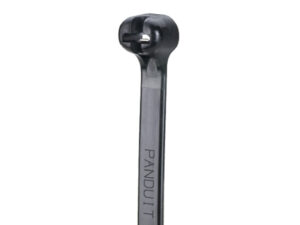
The first step is preparing the support. Choose a structure that can carry the weight of the mature plant, whether it’s a metal trellis, chain-link fence, or wooden pergola. Once the support is ready, identify the healthiest and longest stems to serve as the framework of the plant. Trim away weaker or distracting shoots to encourage strong, balanced growth.
Next, gently guide each stem toward the support, taking care not to bend or snap it. With one hand holding the stem, loop a zip tie loosely around both the vine and the support. The key is to leave breathing room—enough space for one or two fingers between the tie and the stem—so the plant can thicken naturally without restriction.
As the plant grows, continue attaching new sections every 6 to 12 inches to prevent sagging and encourage even coverage. Snip off the excess length of each tie to keep the display neat. Check your ties every few weeks, loosening or replacing them if the stems have thickened. Regular adjustments ensure the plant remains secure without being choked.
Tips for Healthy Growth
A gentle approach is always best. Use reusable ties when possible for easy adjustments, and never overtighten, as stems expand over time. Combine tying with regular pruning to maintain shape, and double up ties for heavier vines that need extra support. Gloves are especially useful when working with roses, bougainvillea, or any plant armed with thorns.
Plants That Benefit Most from Zip Tie Training
Many popular climbers respond well to zip tie training. Roses produce more striking floral displays when their long canes are secured to trellises. Grapevines benefit from being neatly tied to wires, which allows fruit better access to sunlight. Jasmine can be kept from tangling while covering fences more evenly, while ivy can be directed to grow in controlled directions. Wisteria, with its heavy stems, gains much-needed support, and delicate clematis vines stay upright for a fuller bloom display.
Zip Ties vs. Other Methods
Compared to other training tools, zip ties stand out. Twine frays, weakens in the rain, and requires constant replacement. Wire provides strength but can cut into stems. Plastic clips are effective but more expensive and often less adjustable. Zip ties, by contrast, offer strength, affordability, and durability in a form that’s quick and easy to use.
A Case in Point: Grape Arbor Success
One gardener building a grape arbor initially used twine to secure vines, but the ties failed within the first season, loosening or snapping and leaving vines drooping. The following year, the gardener switched to UV-resistant green zip ties, securing each vine every eight inches. The grapes grew in neat rows, with sunlight reaching the fruit evenly. The change not only improved the health of the vines but also boosted the overall harvest, showing how such a simple tool can deliver big results.
Eco-Friendly Considerations
Because zip ties are made from plastic, some gardeners worry about waste. Fortunately, there are sustainable solutions. Reusable zip ties can be opened and closed without cutting, and biodegradable versions are becoming more available. Instead of replacing all ties at once, remove only those that have become too tight. Even trimmed pieces can be repurposed for lighter tasks like bundling garden tools. These small steps help reduce waste while keeping the convenience of zip ties in the garden.
Beyond Plant Training: Extra Garden Uses
Once you begin using zip ties, you’ll quickly discover other applications. They’re perfect for securing netting over fruit trees, repairing trellises, holding irrigation hoses in place, bundling tools for storage, or fastening shade cloth to pergolas. Their versatility makes them a must-have in any gardener’s toolkit.
Wrapping Up
Training climbing plants is essential for creating healthy, beautiful displays. Zip ties make the process simple, secure, and long-lasting. When applied with care, they guide stems upward in neat, balanced patterns that allow roses, grapes, wisteria, and other climbers to thrive.
With UV-resistant ties and a light touch, you’ll not only improve plant health but also transform the look of your outdoor space. Sometimes the simplest tools bring the most striking results—and a handful of zip ties can prove it.
For more insights and tips on cable ties and other related products, explore cabletiesunlimited.com, get a quick and free quote, and follow us on our social media communities on Facebook and Instagram!