


Cable ties are meant to make work easier, not harder. They secure cables quickly and keep wiring neat. But when a tie snags and refuses to unlock, frustration begins. Technicians may waste valuable time struggling to release it, or worse, damage cables in the process.
Snagged ties are more common than many think. They appear in everything from small office setups to large-scale construction projects. Learning how to fix these stubborn ties safely prevents delays and protects wiring. This guide covers why ties snag, how to free them, and which tools make the job simple.
Why Cable Ties Snag
Most cable ties use a self-locking mechanism. A small pawl inside the head grips the ridges of the tie, preventing backward movement. When this mechanism jams, the tie feels stuck.
Snagging often occurs due to:
- Over-tightening during installation
- Dirt or debris in the lock mechanism
- Use of low-quality ties with rough mold edges
- Cold weather stiffening the plastic
- Old or brittle ties losing flexibility
Understanding why ties snag helps prevent the problem in future installations.
Risks of Forcing a Tie
When a tie does not unlock, the natural instinct is to pull harder. But forcing a tie can damage nearby cables. It can also create sharp edges if the tie breaks suddenly. In high-stakes environments like data centers or aircraft wiring, this risk is unacceptable.
Forcing a snagged tie may also waste time. Minutes spent struggling with a small plastic strip add up on large projects. Technicians need safer, faster solutions.
Methods for Fixing Snagged Ties
Use a Release Tool
Some cable ties are designed as releasable. They feature a small tab that, when pressed, disengages the pawl. Specialized release tools can help press the tab even in tight spaces. These tools slide under the tie head and push gently, unlocking the tie without damage.
Precision Cutting
If the tie refuses to release, cutting may be the best option. Flush cutters or cable tie removal tools cut ties close to the head, leaving smooth edges. Unlike scissors or knives, these tools prevent nicks and scratches to nearby cables.
Apply Gentle Heat
For ties stuck due to cold brittleness, warming the tie may restore enough flexibility to disengage the lock. A hair dryer or heat gun set to low can soften the tie slightly. Care must be taken not to overheat or damage cables.
Lubrication
In dusty or dirty environments, a small drop of silicone spray or isopropyl alcohol may loosen a jammed lock. This works best when dirt is the cause of snagging. Always clean cables afterward to prevent residue.
Preventing Snagged Ties in the Future
The best fix is prevention. Careful installation and product selection reduce snagging issues.
- Avoid over-tightening: Leave slight movement space for cables.
- Use releasable ties: These are designed for easy unlocking.
- Choose quality products: Cheap ties have rough molding that increases snagging.
- Work at proper temperatures: Store ties indoors before use in cold conditions.
Industry Scenarios
Data Centers
In data centers, cable ties must often be removed during upgrades or troubleshooting. A snagged tie wastes time and risks expensive fiber optic cables. Releasable ties or proper cutters are essential here.
Automotive
Automotive technicians frequently adjust wiring harnesses. Snagged ties in cramped engine bays are difficult to reach. Releasable ties and long-nose flush cutters simplify this work.
Construction
On job sites, workers deal with dust, dirt, and cold weather. These conditions increase snagging. Using high-quality weather-resistant ties minimizes issues.
Aerospace
Aircraft wiring cannot afford damage from a forced tie removal. Releasable designs and certified removal tools ensure safe handling.
Product Review: Releasable Cable Ties
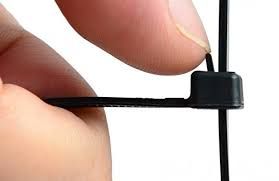
Cable Ties Unlimited offers Releasable Cable Ties that solve the snagging problem. These ties include a built-in release tab, allowing technicians to unlock and reuse them easily. Made from durable nylon 6/6, they provide strength while offering flexibility during adjustments.
Available in multiple lengths and tensile strengths, releasable ties are suitable for projects ranging from office setups to industrial installations. Their design reduces waste by allowing reuse, and their smooth release prevents damage to sensitive cables.
For technicians tired of wrestling with snagged ties, these products are a practical solution. They save time, protect wiring, and support sustainable practices by reducing single-use waste.
Learn more: Polyamide Releasable Cable Ties: The Ultimate Solution for Temporary Fastening.
Tools That Help
Specialized tools make fixing snagged ties easier.
- Flush cutters: Provide clean cuts with no sharp edges.
- Removal tools: Protect cables by sliding under the head before cutting.
- Tensioning tools with built-in cutters: Allow consistent installation and smooth removal.
Keeping these tools in a kit ensures technicians are ready for snagged ties anytime.
The Cost of Snagged Ties
While a single tie may seem insignificant, the costs add up. Time wasted on a stuck tie delays projects. Cable damage increases maintenance costs. In industries like aerospace, one mistake can even risk safety.
Investing in releasable ties and proper tools may cost more upfront, but the long-term savings in time and reduced risk are substantial.
Future Trends
Manufacturers are developing new designs to reduce snagging. Smooth-lock systems, reusable designs, and even “smart” ties with indicators may reduce future problems. Materials that resist cold embrittlement and dirt buildup are also being tested.
These innovations will further reduce frustration for technicians while increasing safety and efficiency.
Wrapping Up
Snagged cable ties slow work, frustrate technicians, and risk damaging cables. Fixing them safely requires release tools, cutters, or sometimes heat and lubrication. Prevention through careful installation and quality product selection is the most effective long-term solution.
Products like Releasable Cable Ties from Cable Ties Unlimited make unlocking simple. With built-in release tabs, they prevent snagging issues altogether while supporting reuse and sustainability.
For U.S. industries where efficiency and safety matter, solving the problem of snagged ties is a small step with a big impact. The right products and tools ensure smoother work and better results.
For more insights and tips on cable ties and other related products, explore cabletiesunlimited.com, get a quick and free quote, and follow us on our social media communities on Facebook and Instagram!