


Sustainability is no longer a side project for industries in the United States. It is a central requirement. From government regulations to consumer demand, companies must reduce waste and prove their commitment to environmental responsibility. Even something as small as cable ties is now under scrutiny.
Two terms dominate conversations about greener cable ties: compostable and recyclable. While they may sound similar, they mean very different things. Understanding the distinction helps buyers avoid confusion and ensures they select products that actually deliver environmental benefits. The question is, what is real and what is marketing hype?
Why Cable Ties Face Environmental Pressure
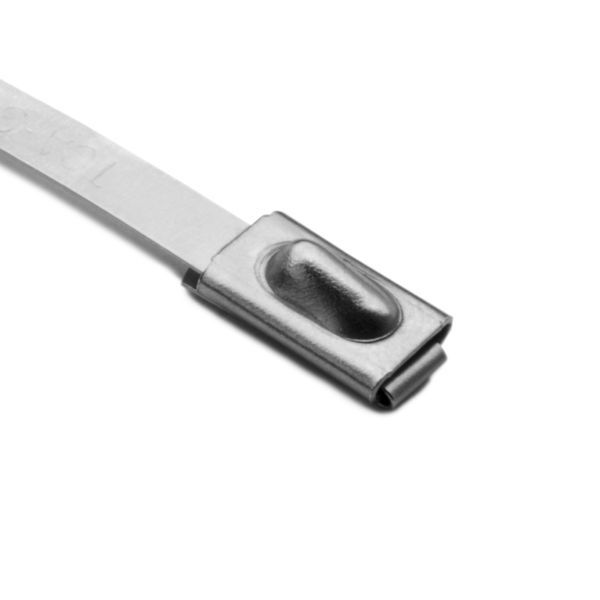
Cable ties are everywhere. They bundle wires in hospitals, hold components in cars, and secure cables in data centers. They are also used in packaging and shipping. The problem is their disposable nature. Once cut, most ties go straight to landfills.
Nylon 6/6, the most common cable tie material, is durable and affordable but not biodegradable. It can take decades to break down. With billions of ties produced each year, their environmental impact is significant. Compostable and recyclable alternatives promise to reduce this footprint, but the terms must be understood clearly.
What Compostable Really Means
Compostable materials break down into natural elements like water, carbon dioxide, and biomass under controlled conditions. They do not leave toxic residue or microplastics. For a product to be called compostable in the U.S., it must usually meet ASTM D6400 or equivalent standards.
Compostable cable ties would decompose in industrial composting facilities. However, few facilities accept technical plastics, and compostable ties cannot be mixed with ordinary recycling. Their real-world impact depends on infrastructure as much as design.
What Recyclable Really Means
Recyclable means a material can be collected, processed, and reused to make new products. Standard nylon 6/6 is technically recyclable, but in practice it rarely is. Many recycling centers do not accept small, mixed plastics like cable ties.
For cable ties to be truly recyclable, programs must exist to collect and process them. Some manufacturers and distributors in the U.S. are exploring take-back programs. Without these, recyclable claims often remain theoretical.
The Marketing Trap
Here lies the problem. Some products are advertised as compostable or recyclable without meeting real-world requirements. A tie may be labeled compostable but only degrade under very specific industrial conditions. Another may be recyclable in theory but never actually recycled due to lack of collection programs.
Greenwashing creates confusion. Buyers think they are making sustainable choices, but the environmental impact remains unchanged. That is why verifying claims with certifications and infrastructure is essential.
Compostable Cable Ties: Opportunities and Challenges
Compostable cable ties could reduce long-term landfill waste. Materials such as PLA (polylactic acid) or PHA (polyhydroxyalkanoates) can degrade naturally. These ties may work well for light-duty applications like packaging, consumer electronics, or temporary projects.
The challenge is performance. Compostable plastics often cannot handle heat, chemicals, or heavy loads. They may weaken under sterilization or exposure to moisture. For critical U.S. industries like aerospace or healthcare, compostable options are not yet realistic.
Recyclable Cable Ties: Opportunities and Challenges
Recyclable ties offer another path. By using materials that can be collected and reused, they reduce overall plastic demand. Some nylon ties can already be recycled if clean and collected properly. Stainless steel ties are even easier to recycle because metal recycling infrastructure exists.
The challenge is logistics. Few programs exist to collect used ties at scale. In high-volume industries, collecting, sorting, and shipping small plastic ties for recycling may not be practical. Without infrastructure, recyclable claims mean little.
Which Is More Real?
Compostable cable ties are real in limited applications. They provide short-term fastening solutions where heavy loads are not required. However, they remain experimental for critical industries.
Recyclable cable ties are more realistic today, especially when made from stainless steel or high-quality nylon. While collection is a challenge, recycling infrastructure already exists in the U.S. This makes recyclable ties closer to practical adoption.
Product Review: Stainless Steel Cable Ties from Cable Ties Unlimited
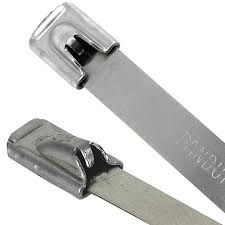
Cable Ties Unlimited offers Stainless Steel Cable Ties, a product that demonstrates true recyclability. Made from durable stainless steel, these ties provide extreme tensile strength and resist chemicals, UV light, and heat.
Unlike most plastics, stainless steel can be recycled indefinitely. Scrap metal programs across the United States accept stainless steel without issue. This makes these ties a practical choice for industries seeking sustainable options.
Beyond sustainability, these ties offer unmatched performance. Their ball-locking mechanism provides secure fastening even under vibration. Smooth edges prevent cable damage, ensuring both safety and reliability. For industries demanding both strength and sustainability, stainless steel cable ties are the most credible solution today.
Avoiding Common Mistakes
The most common mistake is assuming compostable and recyclable are interchangeable. They are not. Compostable ties need specific facilities to break down. Recyclable ties require collection programs. Without these, both options end up in landfills like standard nylon ties.
Another mistake is choosing compostable ties for critical environments. If a tie degrades too quickly, it may compromise safety. For now, compostable ties should only be used in non-critical, short-term applications.
Compliance and Standards
The U.S. relies on standards to prevent false claims. ASTM D6400 defines compostability. ISO 17088 sets requirements for biodegradable plastics. For recyclability, the FTC Green Guides regulate environmental marketing claims. Manufacturers must prove their claims are accurate and not misleading.
Buyers should demand certifications. Without them, terms like compostable and recyclable remain vague. Certified products provide assurance of performance and environmental benefit.
Cost Versus Value
Sustainable materials usually cost more than traditional nylon. Compostable plastics are still developing, and stainless steel ties cost more upfront. However, their value lies in long-term environmental benefits, compliance with sustainability goals, and potential marketing advantages.
Companies that adopt certified compostable or recyclable ties can highlight their sustainability initiatives. This builds customer trust and may even attract government or corporate contracts that prioritize green procurement.
The Future of Green Cable Ties
Both compostable and recyclable solutions will expand in the coming decade. Compostable ties will likely improve with stronger bioplastics. Recyclable ties may benefit from collection programs and industry partnerships. Hybrid solutions may emerge, combining recyclable materials with biodegradable additives.
Smart ties could also enter the market. Combining sustainable materials with embedded tracking could help industries monitor tie use and recycling. The future will likely bring more options, but performance and compliance will remain the deciding factors.
Conclusion
The debate between compostable and recyclable cable ties is not just technical—it is practical. Compostable options show promise but remain limited in performance. Recyclable ties, especially stainless steel, are more realistic today due to existing infrastructure.
Products like stainless steel cable ties from Cable Ties Unlimited prove sustainability is not just marketing. They combine durability, compliance, and recyclability in a way that truly reduces waste.
For U.S. industries, the real path forward is clear. Compostable ties may come, but recyclable ties already offer a practical, sustainable solution. Until infrastructure expands, recyclable remains the more real and reliable option.
For more insights and tips on cable ties and other related products, explore cabletiesunlimited.com, get a quick and free quote, and follow us on our social media communities on Facebook and Instagram!