


Step into any busy warehouse and you’ll see movement, stacks of goods, and a constant flow of people and pallets. But what separates a chaotic warehouse from a highly efficient one? It’s not just clever shelving or the latest tech. Sometimes, the smallest and simplest tools make the biggest impact. Enter the humble cable tie—specifically, the color-coded cable tie.
You might think of cable ties as tools for bundling wires or holding things together temporarily. But add a splash of color and suddenly, they become a game-changer for inventory management. With a single glance, your team can track stock levels, flag urgent orders, and cut search times in half. In this guide, we’ll walk through the best ways to use color-coded cable ties to streamline your warehouse and boost your team’s productivity.
Why Color Matters in Inventory Management
Warehouses are high-pressure environments. Mistakes can lead to lost orders, delays, or even safety issues. That’s why visual cues matter so much. Color is one of the fastest ways for the human brain to process information. With the right color-coded system, your warehouse staff can:
-
Identify products, batches, or destinations instantly
-
See which items need priority picking or shipping
-
Avoid errors in sorting, stocking, and dispatch
-
Train new staff faster with clear, simple cues
Traditional inventory management relies on paper labels, barcode scanners, and manual checks. These tools work—but under pressure, they’re slow and easy to overlook. Color-coded cable ties don’t replace your inventory system; they reinforce it and make it more intuitive for everyone on the floor.
Building Your Color-Coding System
Before you dive in and start tying colored bands onto every pallet, stop and plan. A good color-coding system is simple, logical, and consistent across your whole operation.
Choosing Your Colors
Start with the basics. You don’t need a rainbow of options. Most warehouses succeed with 3–6 key colors, such as:
-
Red: Urgent or priority stock, items that must ship today, or hazardous goods
-
Yellow: Items on hold, awaiting inspection, or damaged stock
-
Green: Ready-to-ship, cleared stock, or perishable goods
-
Blue: Incoming stock, returns, or items for backorder
-
Orange: Promotional items, limited-time offers, or seasonal stock
-
Black/White: For general use or to distinguish between product categories
Make a legend and post it in high-traffic areas. Everyone, from pickers to supervisors, should know what each color means. Avoid using too many colors, which can cause confusion and mistakes.
Where to Use Color-Coded Cable Ties
Color-coded ties can be looped through product packaging, attached to pallet wrap, fixed to racking, or bundled around groups of items. The key is visibility. If someone can’t spot the color from a few metres away, pick a brighter tie or change the placement.
Common applications include:
-
Marking mixed pallets with the dominant product’s color
-
Tagging bulk items that need special handling
-
Identifying incomplete shipments waiting for missing items
-
Flagging products with specific expiry dates or batch numbers
Practical Examples: Transforming Day-to-Day Warehouse Operations
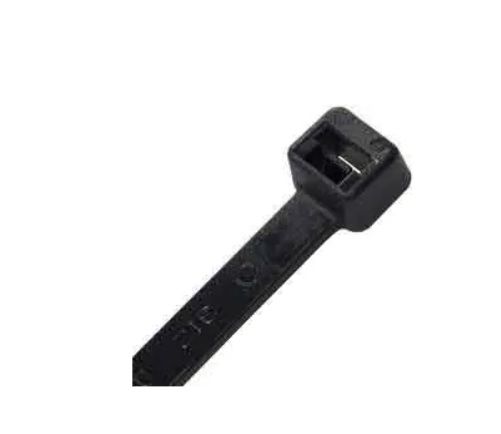
Let’s break down some common scenarios and show exactly how color-coded cable ties make life easier.
Streamlining Picking and Packing
Picking mistakes cost time and money. With colored cable ties, pickers can instantly see which stock matches a high-priority order or needs special packing. For example, red ties on “ship today” orders speed up picking and help new team members spot urgent items without double-checking paperwork.
In packing areas, color-coded ties on bags or bundles help staff sort finished orders for different carriers or destinations. Blue for express delivery, green for standard shipping—no more squinting at tiny printed labels.
Managing Inventory Rotation
First-in, first-out (FIFO) is critical for perishable or regulated goods. Color-coded cable ties make rotation almost foolproof. Attach a different color for each week or month to all new stock as it arrives. Staff can spot at a glance which pallets need to be shipped first and which can wait. That reduces waste and ensures compliance, especially in food or pharmaceutical warehouses.
Handling Returns and Problem Stock
Returns are a headache in any warehouse. But color-coding streamlines the process. All returns can get a blue tie for the returns zone, while damaged or hold items get yellow. When staff see these colors, they know not to pick, pack, or ship those goods. It cuts down on rework and errors and keeps your regular stock flowing smoothly.
Improving Safety and Compliance
Some products need extra care—hazardous materials, fragile items, or bulky goods. A red or orange tie warns everyone to handle these items differently. For warehouses that handle dangerous goods, color coding is more than convenient; it’s a critical part of workplace safety.
Training New Staff
New hires often struggle to keep up in busy warehouses. With clear, color-coded signals, you make onboarding easier. Instead of memorising codes or reading tiny print, new staff learn to trust their eyes. It’s faster and safer—and frees up experienced workers for more complex tasks.
Making Color-Coded Cable Ties Work for You

The beauty of color-coded cable ties lies in their flexibility. You can update, change, or expand your system as your needs evolve.
Tips for Successful Implementation
-
Communicate and train: Make sure everyone understands the new system. Use signs, quick reference cards, and team briefings.
-
Keep it simple: Fewer colors are better. Too much choice leads to confusion.
-
Audit regularly: Check that staff are following the system and that ties are visible and used consistently.
-
Replace faded or broken ties: Old ties can lose their color, making them hard to see. Keep a fresh supply handy.
-
Combine with other systems: Use cable ties to complement barcodes, RFID tags, or written labels—not to replace them.
Avoiding Common Pitfalls
The most common mistake? Using so many colors that no one remembers what they mean. Another problem is inconsistent use—one team uses green for perishable stock, another uses it for ready-to-ship. That’s why planning, signage, and training matter so much.
Real-World Success Stories
Plenty of warehouses have transformed their operations with nothing more than a few packets of colored cable ties.
At a regional food distributor, staff struggled to rotate stock by expiry date. By introducing a weekly color system, they cut spoilage by 30 percent. Staff no longer had to read each label—one look and they knew which items needed to move out first.
A large online retailer used to have frequent picking errors during busy seasons. By adding red cable ties to all rush orders and green to standard, they saw a dramatic drop in wrong-shipments and time spent searching for orders. Seasonal promotions, flagged with orange, moved faster and with fewer mistakes.
At a building materials supplier, different colored ties identified oversized, fragile, or restricted stock. Forklift drivers now spot problem pallets from across the warehouse, reducing handling errors and keeping everyone safer.
Sustainability and Reusability
Some managers worry about single-use plastics in their warehouse. The good news is, reusable cable ties are now widely available. These can be undone and used again and again, cutting down on waste and costs. When you do need to dispose of old ties, look for recycling options or collect them for proper plastic disposal.
The Cost Factor: Low Price, High Value
Compared to expensive tracking systems or specialty labels, color-coded cable ties are incredibly cost-effective. A small upfront investment delivers ongoing time savings, fewer errors, and easier audits. Best of all, there’s no steep learning curve or major tech overhaul—just a practical, visual tool anyone can use.
Looking Ahead: The Future of Warehouse Organisation
Warehouses are evolving fast, with more automation, robotics, and digital tracking than ever before. But there will always be a place for practical, easy-to-understand systems like color-coded cable ties. As technology moves forward, expect to see even smarter cable ties—think ties embedded with RFID chips, or made from recycled materials for better sustainability.
But don’t underestimate the power of a simple color. For the foreseeable future, a few packets of brightly colored cable ties may still be the fastest way to spot urgent stock, train new staff, and keep your warehouse humming.
Final Thoughts: Give Your Warehouse a Colorful Edge
If you want to boost efficiency, cut errors, and make your warehouse a better place to work, grab some color-coded cable ties and start today. You’ll be surprised how such a simple tool can transform your inventory management overnight.
The right visual cues save time, reduce mistakes, and help everyone move faster—no matter how hectic things get.
For more ideas and advice on warehouse organisation, or to order your first set of color-coded cable ties, reach out to our team. We’re always happy to help you find smarter ways to work.
For more insights and tips on cable ties and other related products, explore cabletiesunlimited.com, get a quick and free quote, and follow us on our social media communities on Facebook and Instagram!