


Cable ties are built to secure and organize. They hold cables in bundles, fasten wiring to structures, and provide stability. Over time, however, cable ties can stretch. This slow change reduces tension, loosens bundles, and risks failure in demanding environments.
Stretching may not be immediately obvious. A tie that seems tight today might sag in months or years. In outdoor or high-stress settings, stretched ties create major problems. Understanding why ties stretch and how to prevent it saves money, time, and safety hazards.
This guide explores the causes of cable tie stretch, its impact on projects, and prevention strategies for long-term reliability.
Why Cable Ties Stretch
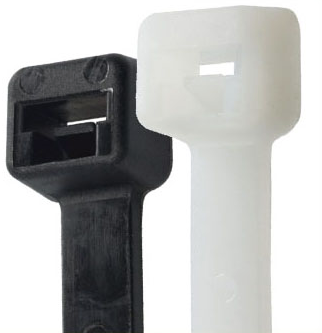
Cable ties are typically made of nylon. While strong and flexible, nylon is subject to stress relaxation. This means tension decreases over time, especially under constant load.
Several factors accelerate stretching:
- Temperature changes: Heat softens nylon, making ties more likely to stretch.
- Constant load: Heavy bundles pull on ties, increasing strain.
- Moisture absorption: Nylon absorbs water, altering its mechanical properties.
- UV exposure: Sunlight weakens the tie’s structure, reducing resistance.
- Poor installation: Over-tightening damages material, making stretch more likely.
Understanding these factors highlights why not all ties perform equally in every setting.
Learn more: Removing Melted Ties Without Damaging Cables.
The Consequences of Stretch
When cable ties stretch, systems lose their stability.
- Cable movement: Loose bundles shift, creating wear points.
- Safety risks: Falling or moving cables cause hazards in workplaces.
- Electrical failure: Movement exposes insulation, increasing the risk of shorts.
- Downtime: Loose wiring in telecom or data centers causes outages.
- Extra costs: Maintenance teams spend more time replacing failed ties.
How Long Do Ties Last?
The lifespan of a cable tie depends on its material, environment, and application. Standard nylon ties may last years indoors but degrade in months outdoors.
Weather-resistant, UV-stabilized, or stainless steel ties resist stretching far longer. Proper installation and environmental planning extend tie lifespan significantly.
Prevention Tips for Cable Tie Stretch

1. Choose the Right Material
Selecting the right tie for the environment is the most important step.
- Indoor projects: Standard nylon ties may suffice.
- Outdoor installations: Use UV-stabilized nylon.
- High heat environments: Heat-stabilized nylon or stainless steel is best.
- Heavy loads: Stainless steel ties resist stretch completely.
Learn more: When Ties Crack in Cold: Getting Reliable Performance.
2. Use Proper Installation Tools
Hand tightening often leads to inconsistent tension. Over-tightening damages ties, while under-tightening reduces effectiveness. Tensioning tools ensure proper, consistent application.
3. Avoid Overloading
Every tie has a rated tensile strength. Exceeding this rating increases the chance of stretch or breakage. Select ties rated for loads heavier than expected.
4. Reduce Environmental Stress
UV rays, moisture, and chemicals accelerate stretching. Using protective conduits, coatings, or selecting resistant materials minimizes these risks.
5. Inspect Regularly
Routine inspections help identify stretched or sagging ties before they fail. Replace ties showing signs of slack, discoloration, or brittleness.
6. Use Wider Ties
Wider ties distribute stress across more surface area, reducing the likelihood of stretching under heavy loads.
Industry Applications
Data Centers
In data centers, cable ties manage sensitive fiber optic cables. Stretching creates slack, risking tangling and airflow obstruction. Using UV-stabilized or releasable ties ensures better long-term performance.
Automotive
Vehicles face constant vibration and heat. Stretched ties loosen wire harnesses, creating noise and wear. Heat-stabilized nylon or stainless steel ties are essential in these conditions.
Telecommunications
Outdoor telecom towers endure sun, rain, and wind. Stretching reduces reliability in signal wiring. UV-rated ties keep bundles secure.
Construction
On construction sites, heavy bundles and harsh conditions test ties daily. Stainless steel or weather-resistant ties ensure cables stay in place long-term.
Aerospace
Aircraft wiring cannot afford stretch or failure. High-performance fluoropolymer or stainless steel ties maintain integrity in extreme conditions.
Tools That Support Prevention
The right tools reduce installation errors and extend cable tie life.
- Tensioning tools: Apply consistent force and trim excess cleanly.
- Flush cutters: Prevent sharp edges that weaken ties.
- Removal tools: Allow safe adjustments without over-stressing cables.
Professional tools make a measurable difference in preventing stretch.
Product Review: Heavy Duty Cable Ties

Cable Ties Unlimited offers Heavy Duty Cable Ties designed for demanding applications. With tensile strengths up to 120 pounds, these ties resist stretching under load.
Made from durable nylon 6/6, they are available in natural and UV-resistant black. Their wide width distributes stress, reducing tension loss over time. Suitable for both indoor and outdoor use, they perform across a temperature range of -40 °F to 185 °F.
For professionals managing heavy bundles or outdoor installations, these ties provide the durability and reliability needed to prevent stretch and maintain performance.
Mistakes to Avoid
- Using indoor ties outdoors: They stretch quickly under UV stress.
- Over-tightening: Weakens material and accelerates stretch.
- Ignoring load ratings: Stretch occurs faster when ratings are exceeded.
- Skipping inspections: Small stretches worsen into complete failures.
The Cost of Stretch Failures
A single stretched tie may not seem costly, but cumulative failures add up. Loose wiring increases labor costs, downtime, and safety risks. Investing in quality ties prevents these expenses.
In industries where uptime is critical, prevention is not optional—it is essential.
Future Innovations
Manufacturers are exploring new materials that resist stress relaxation better than nylon. Advanced polymers may soon combine flexibility with long-term strength.
Smart ties are another innovation. These ties could alert technicians when tension drops, signaling early signs of stretch.
Sustainability will also play a role. Recyclable and biodegradable materials designed for outdoor strength will reduce environmental impact.
Wrapping Up
Cable tie stretch is a common but preventable issue. By choosing the right material, installing correctly, and inspecting regularly, professionals keep systems secure and reliable.
Products like Heavy Duty Cable Ties from Cable Ties Unlimited provide the strength needed to resist stretch in demanding environments.
For industries where reliability and safety matter, preventing cable tie stretch ensures long-term success. Small choices at installation make the difference between performance and costly failure.
For more insights and tips on cable ties and other related products, explore cabletiesunlimited.com, get a quick and free quote, and follow us on our social media communities on Facebook and Instagram!